Categoria: News
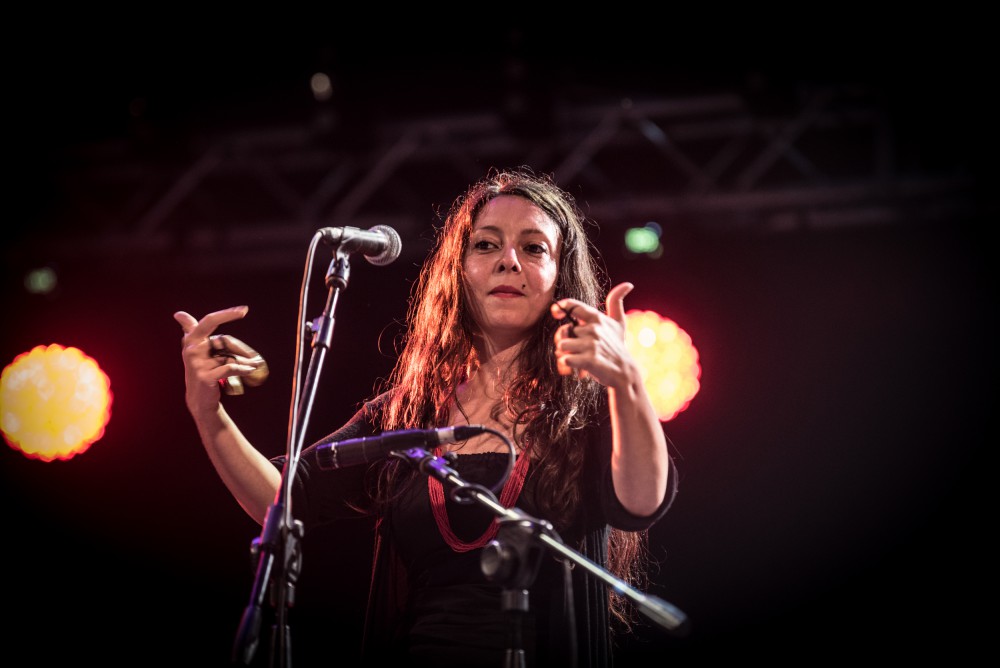
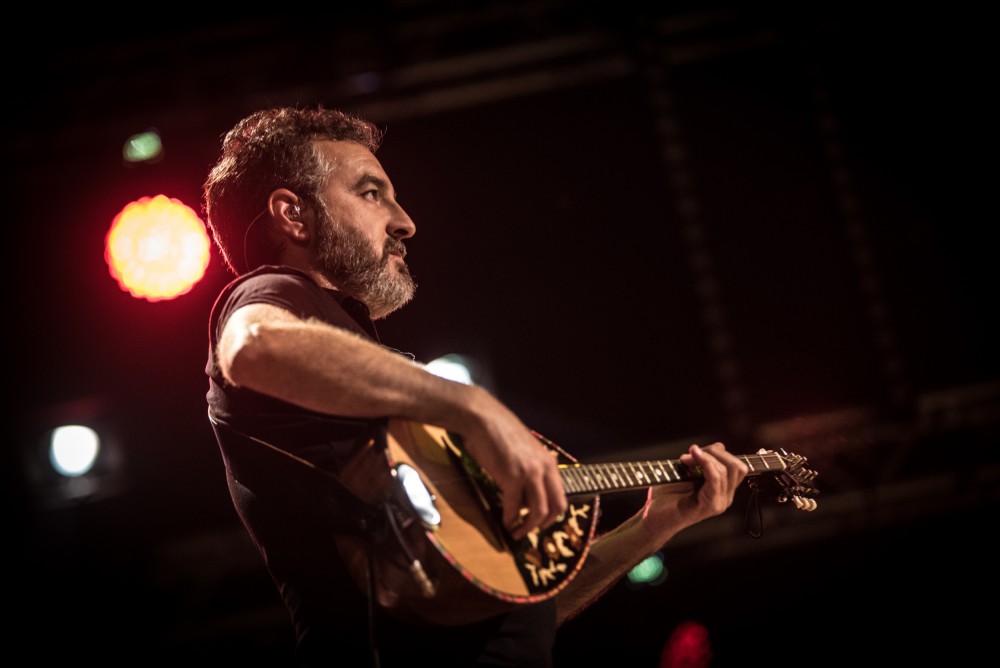
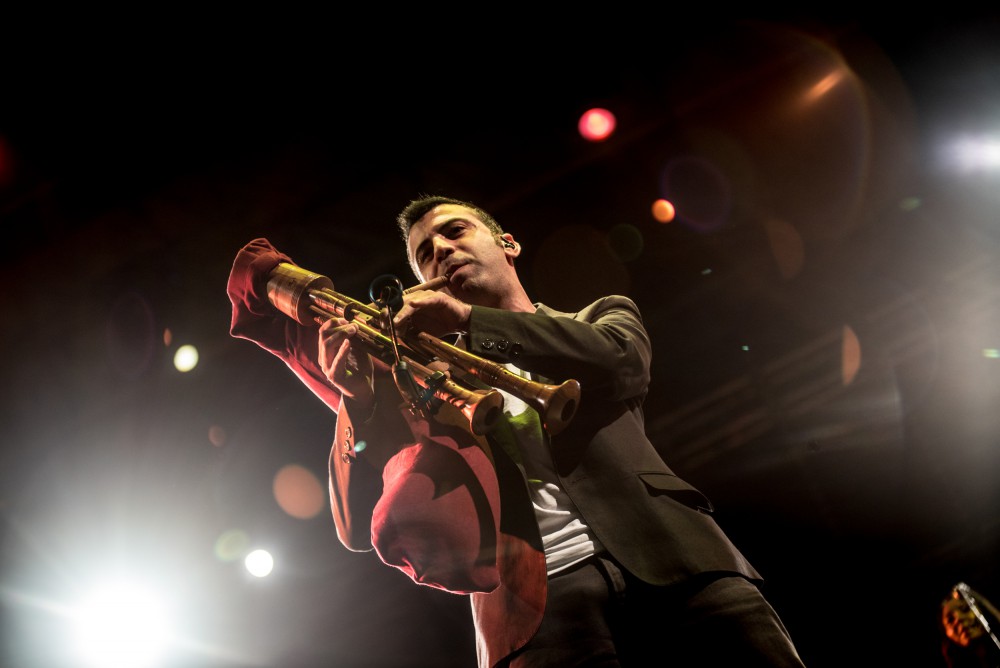
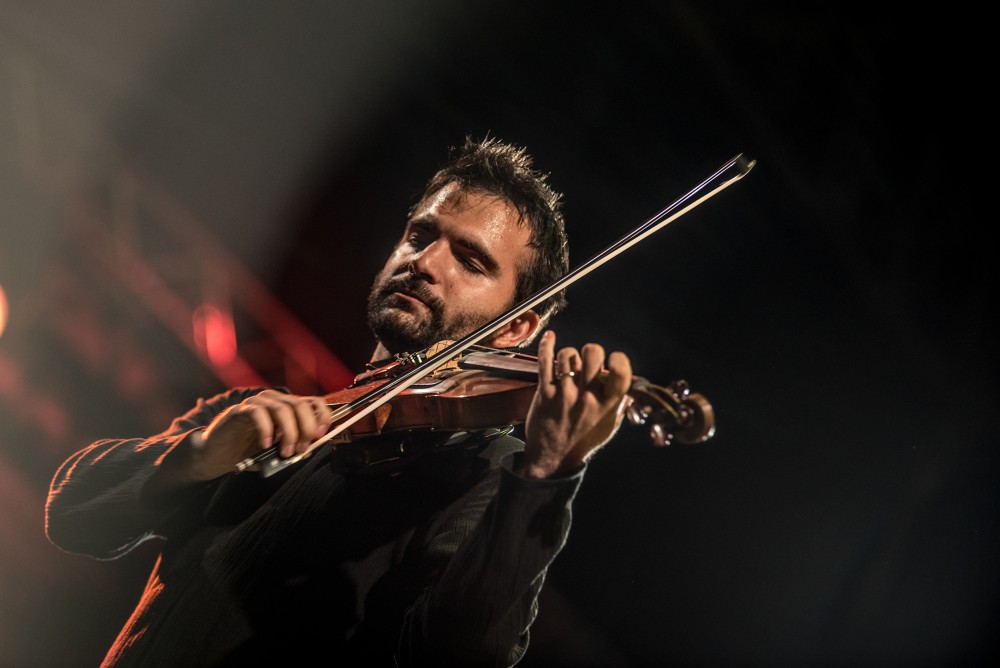
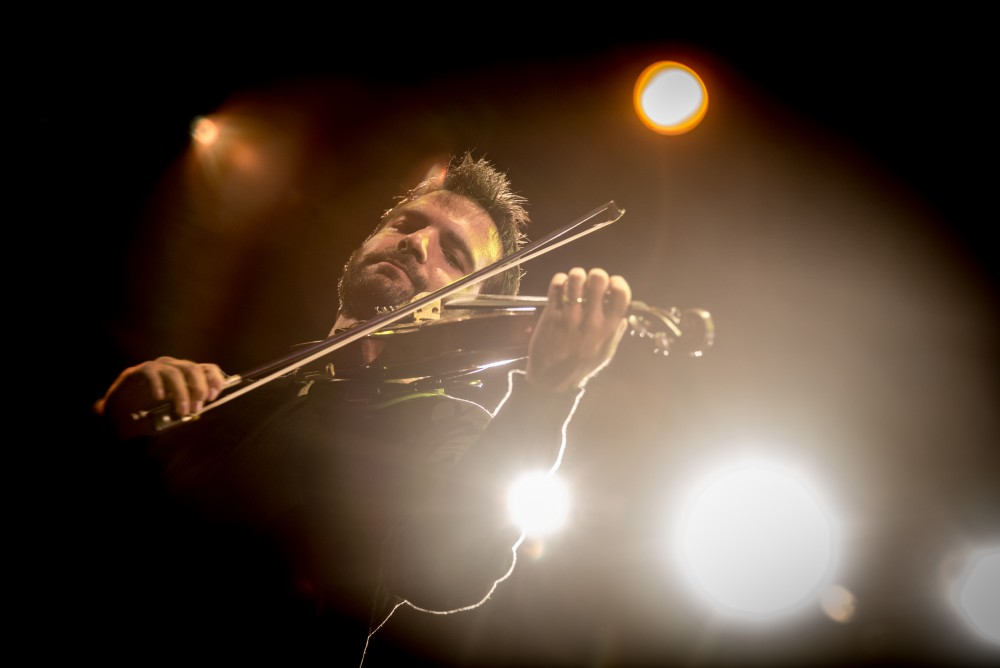
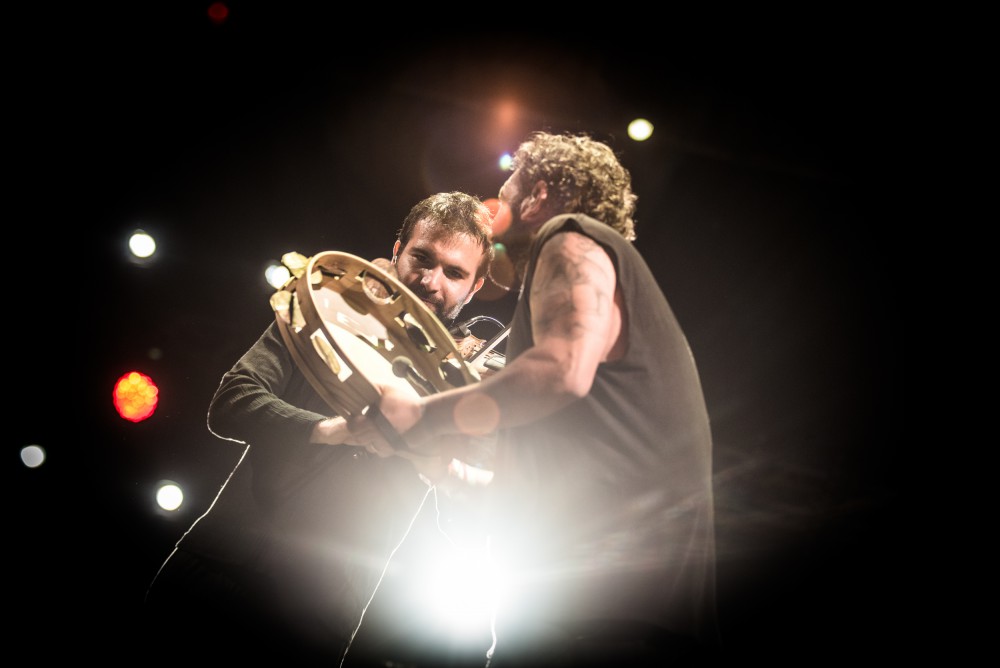
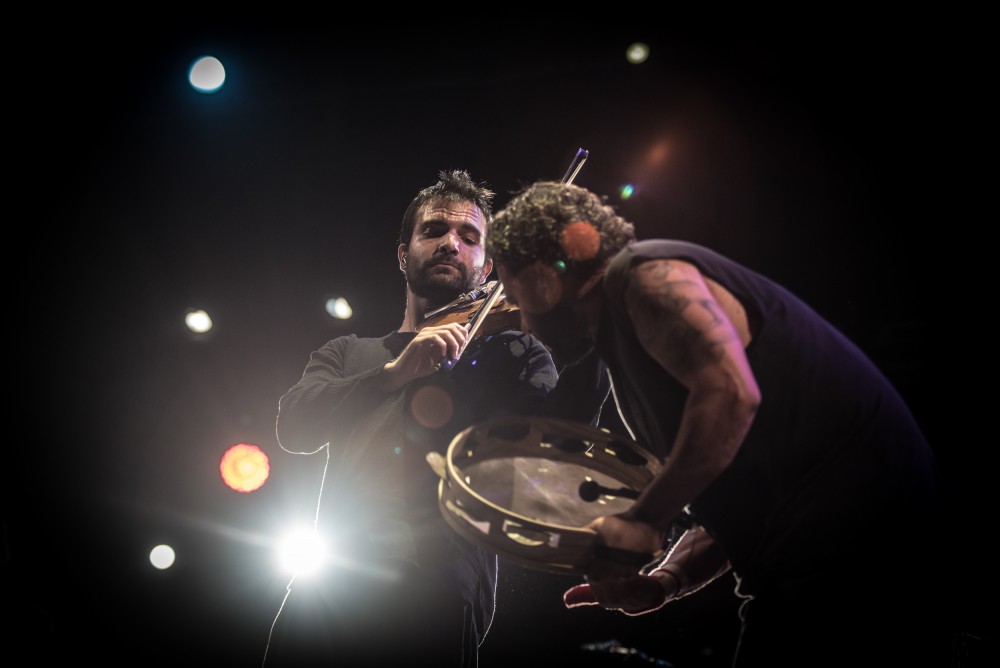
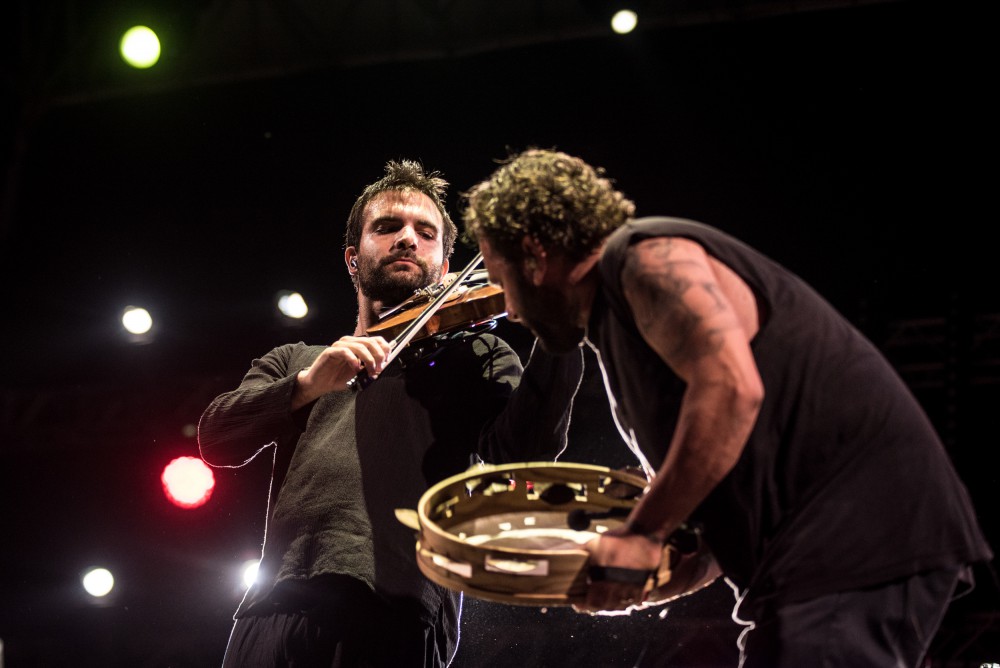
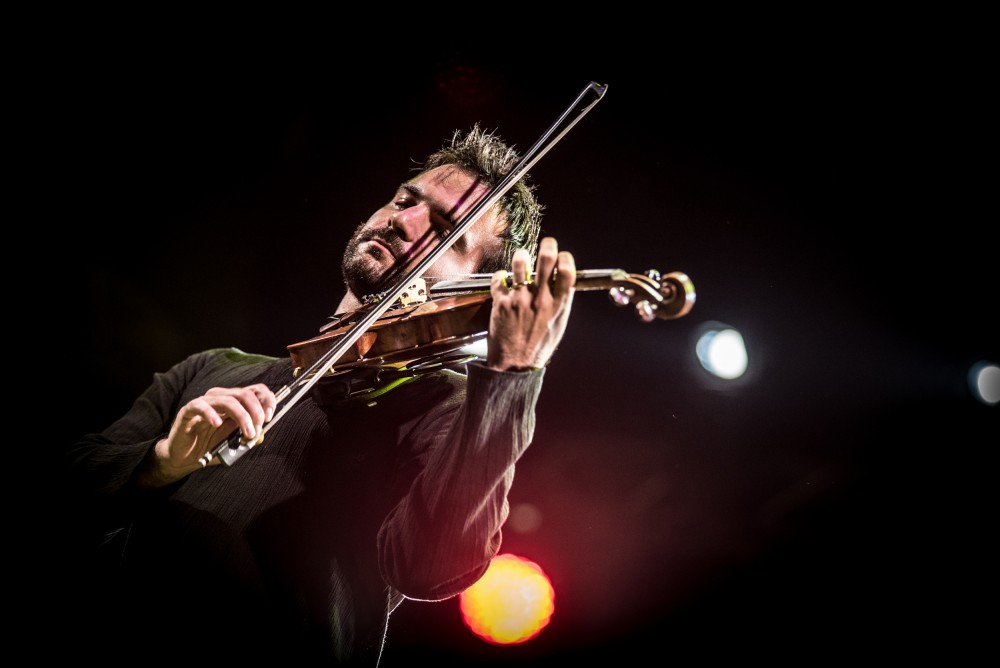
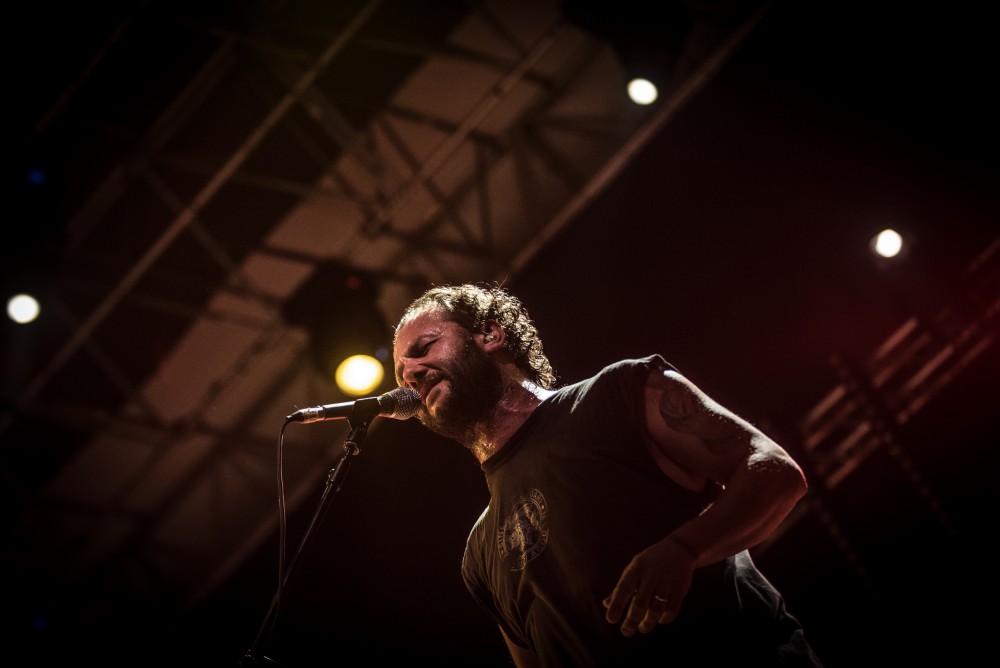
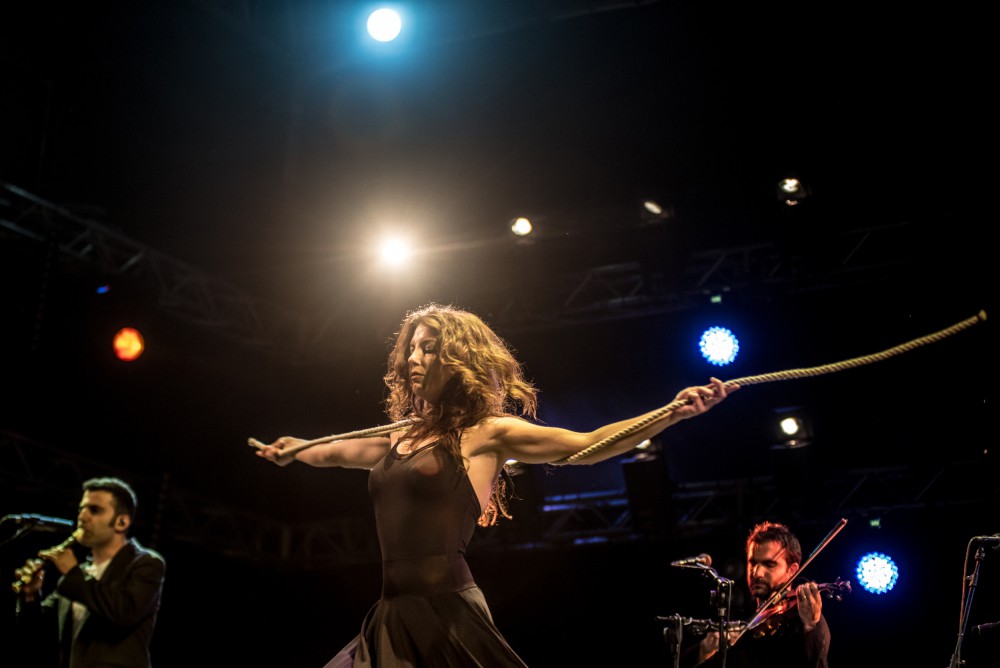
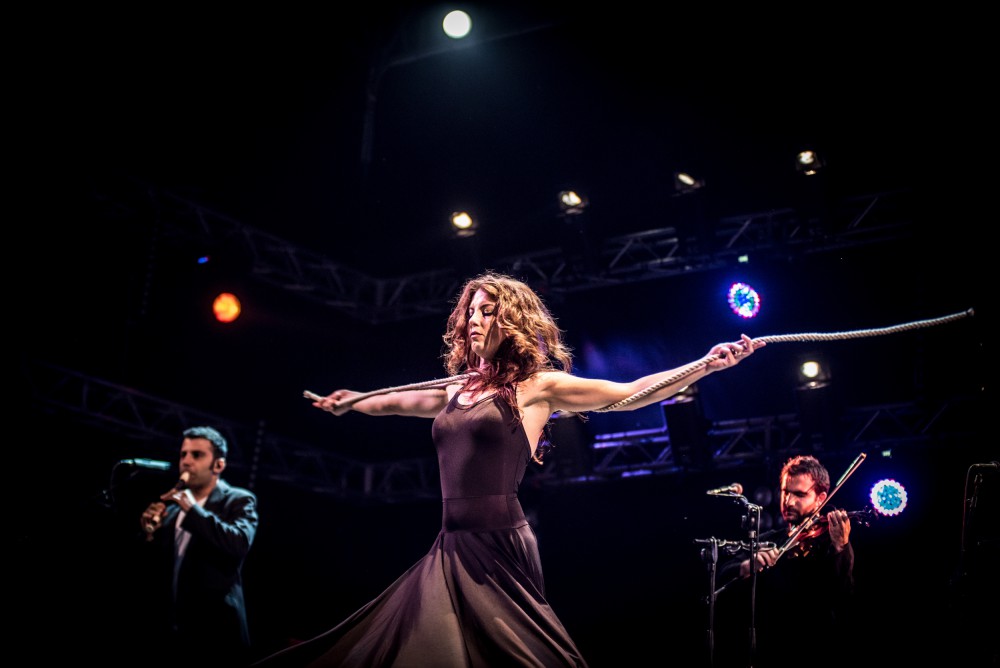
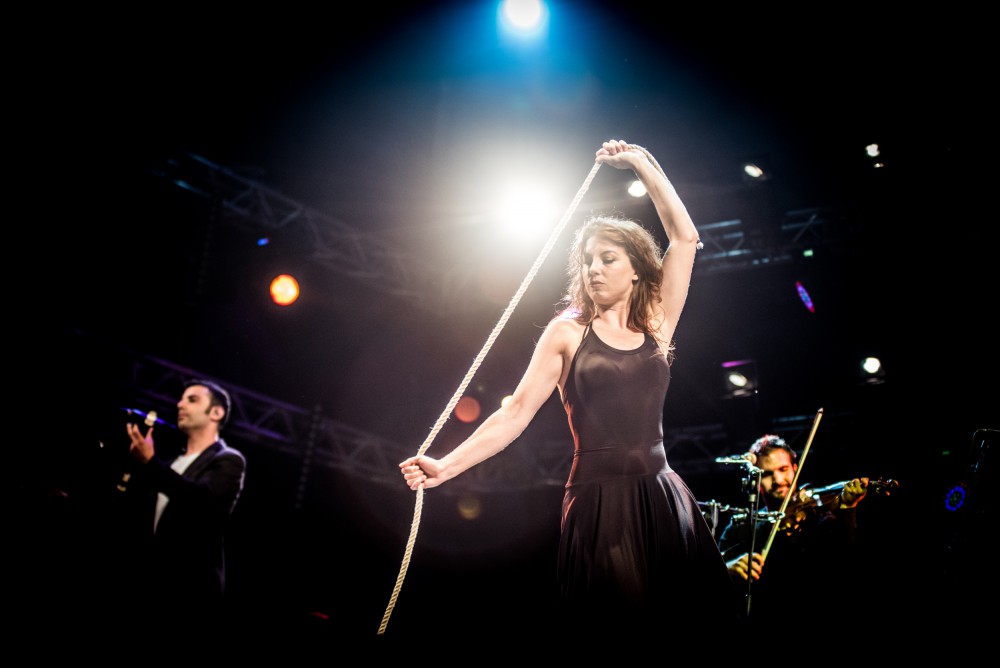
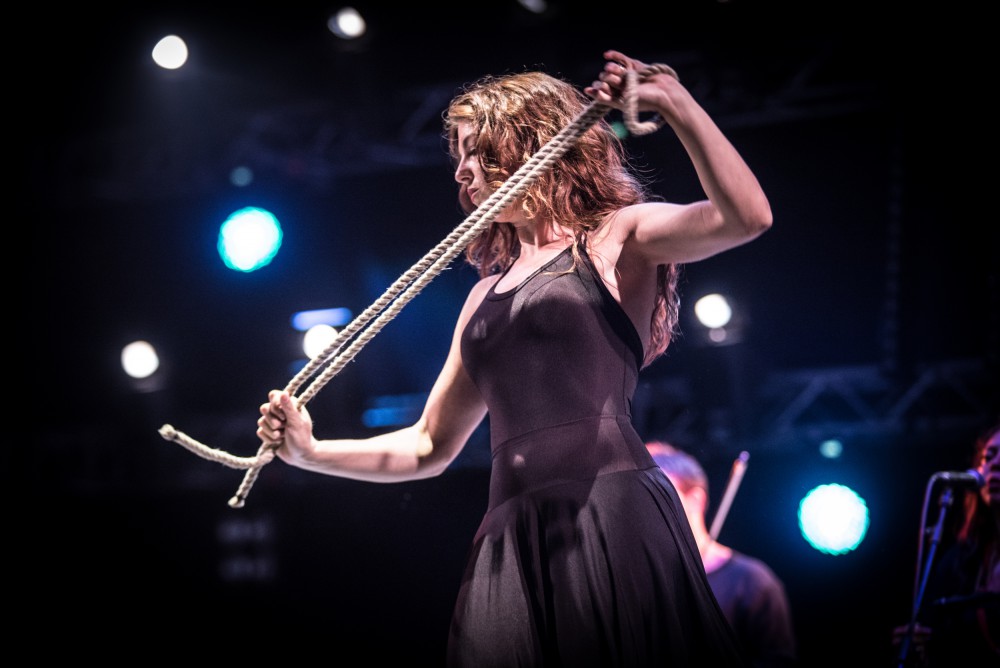
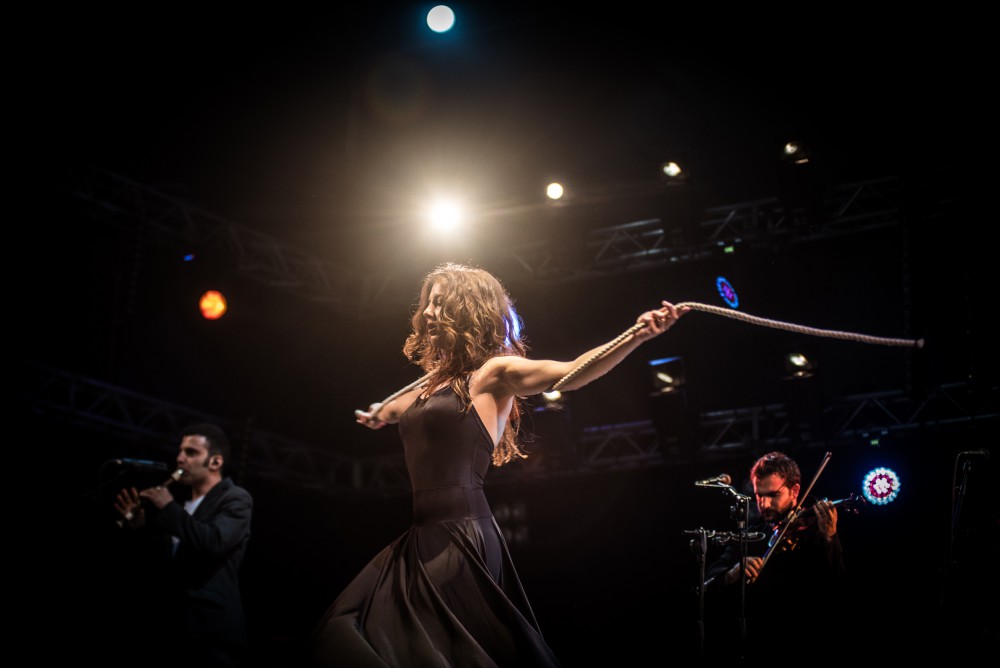
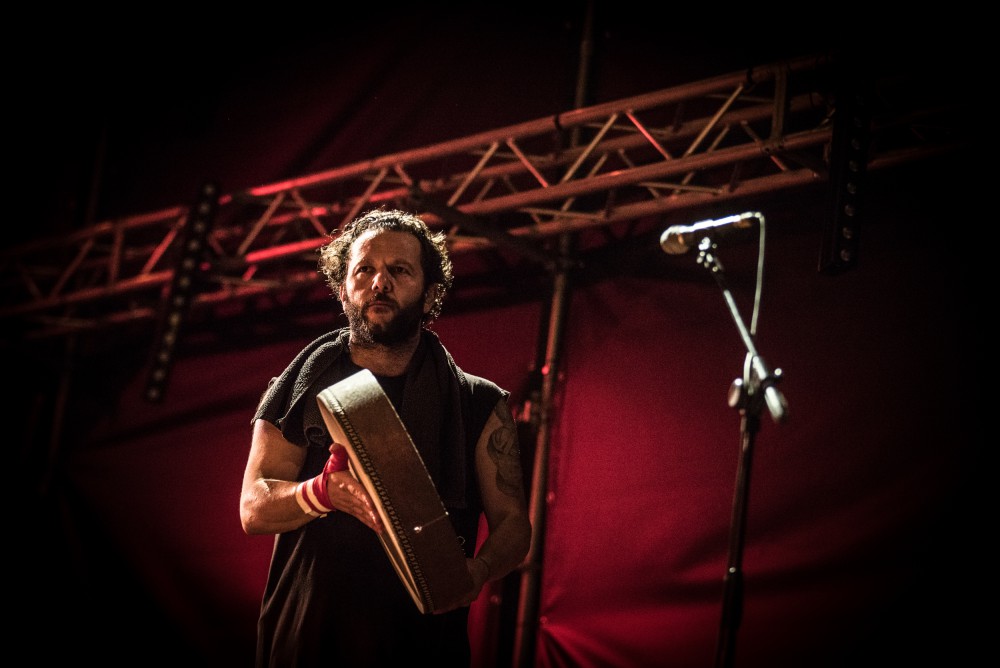
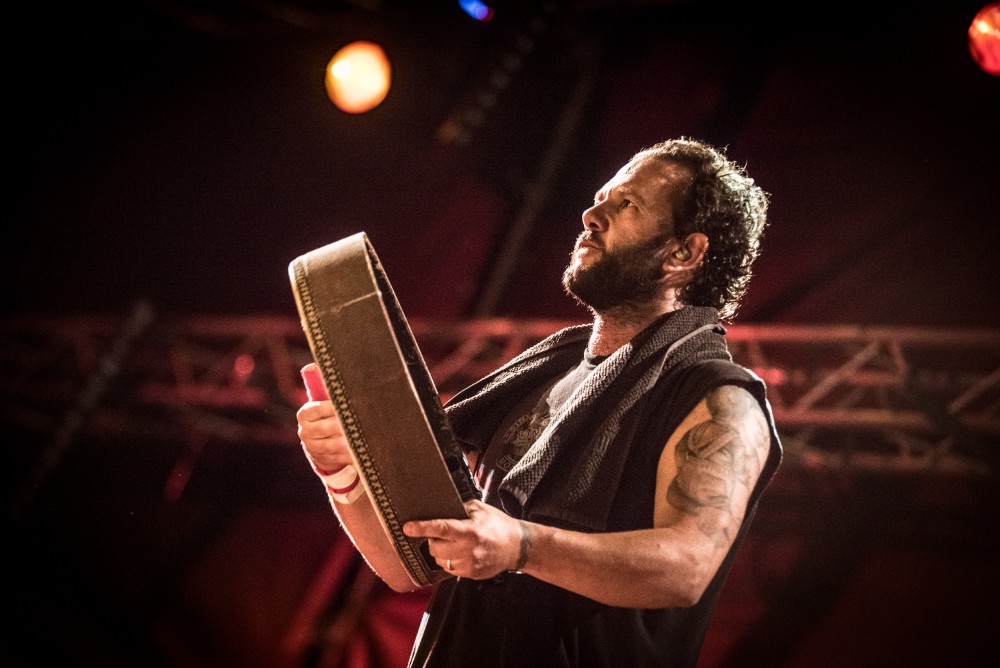
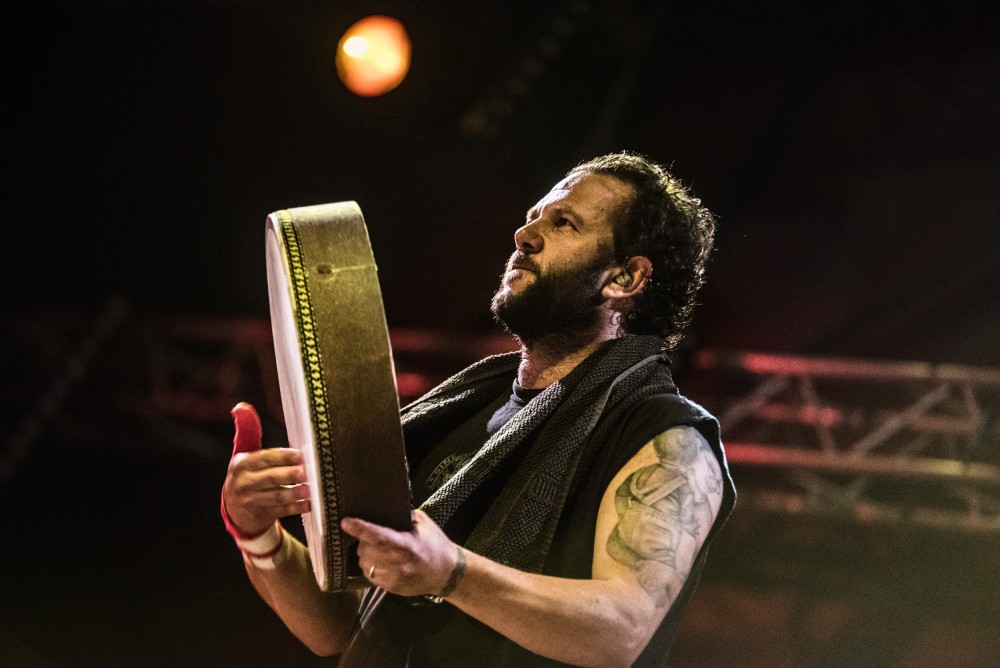
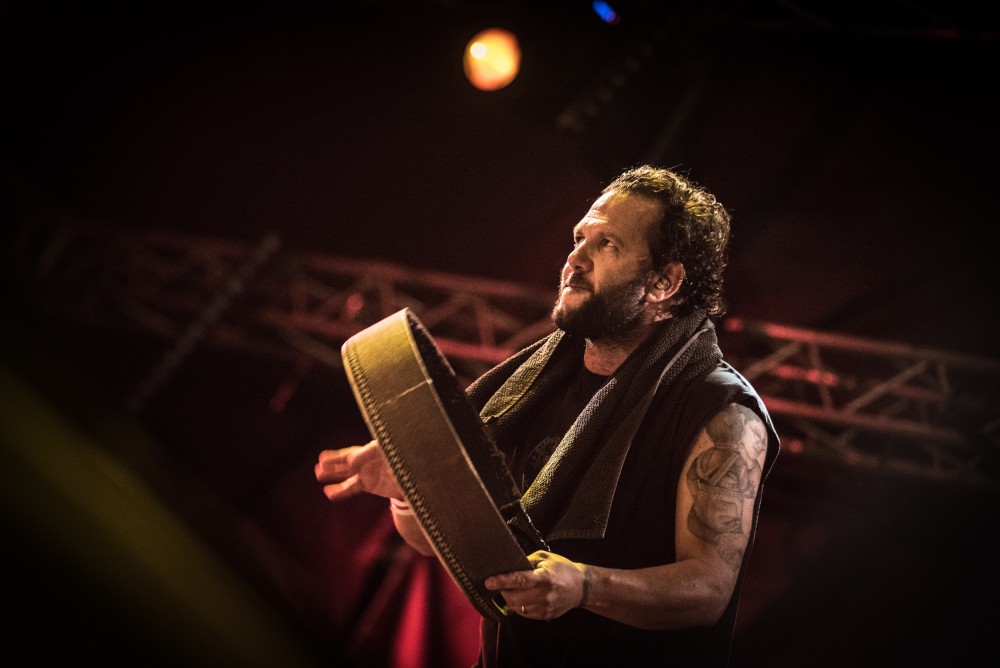
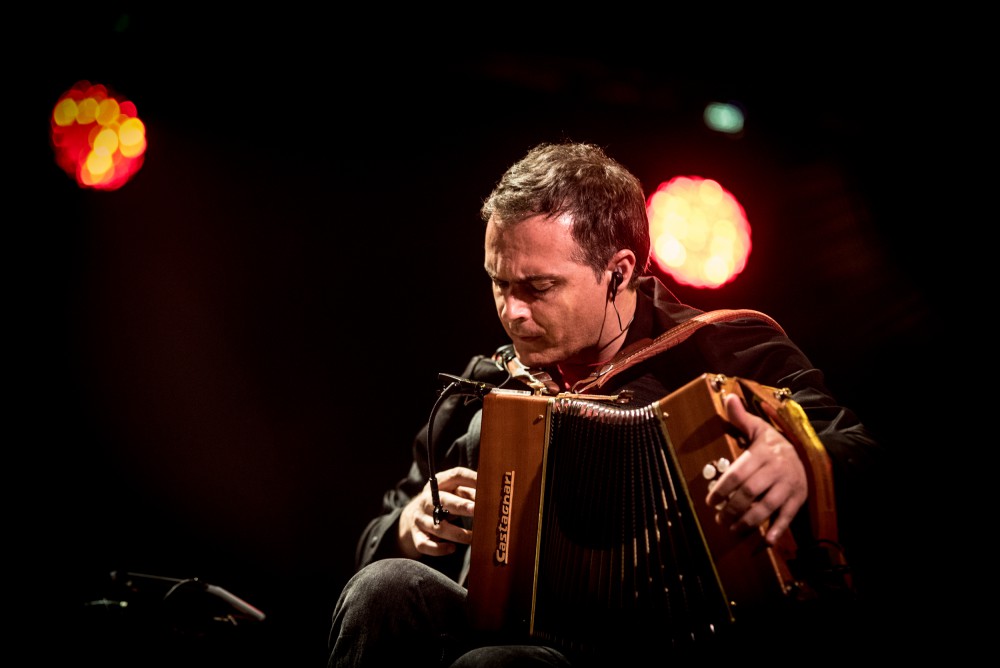
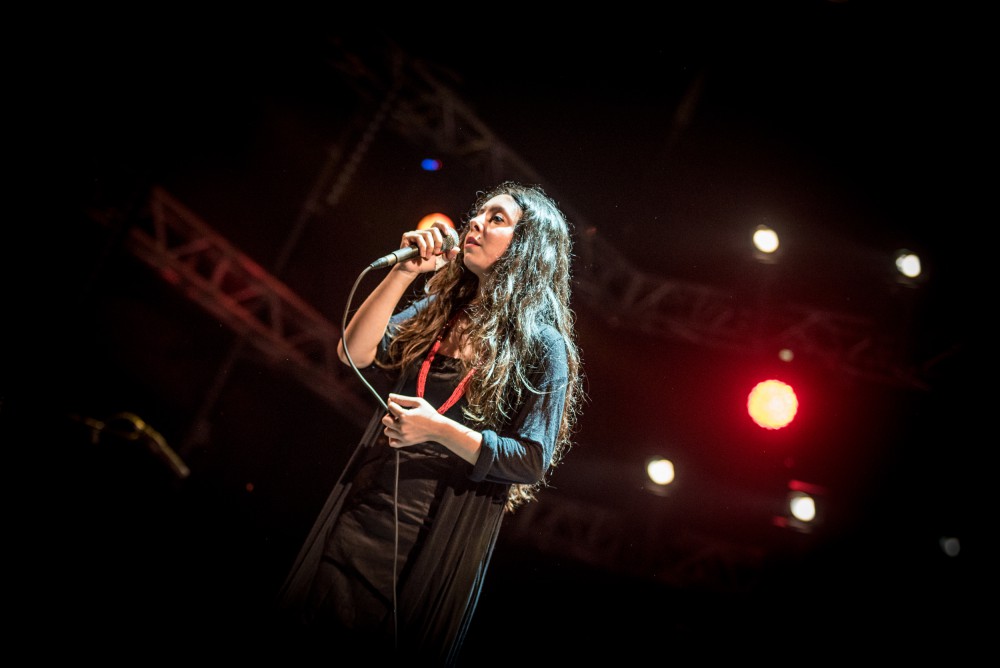


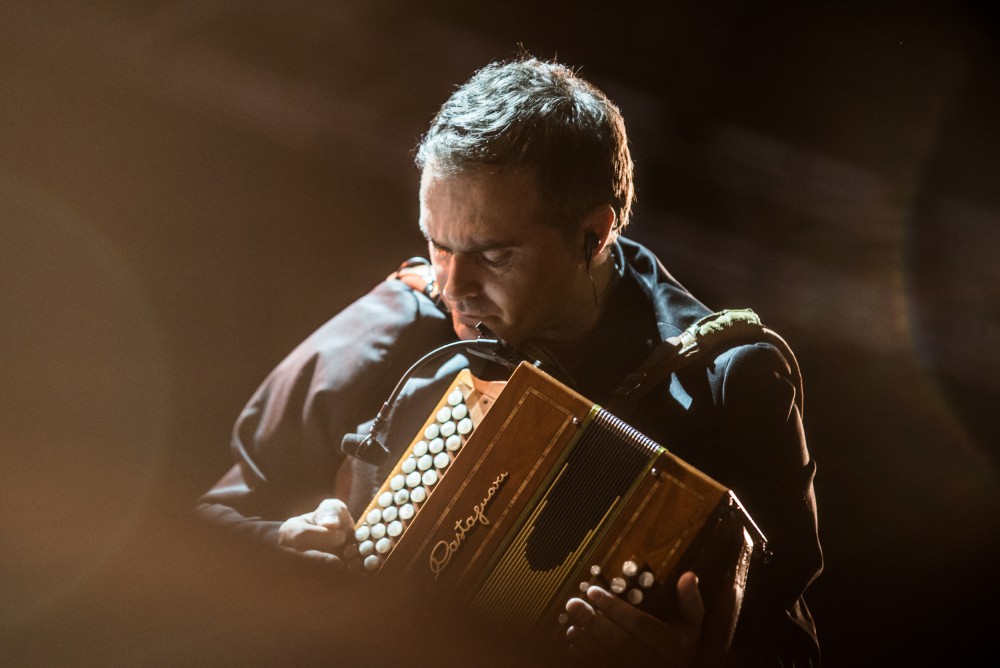
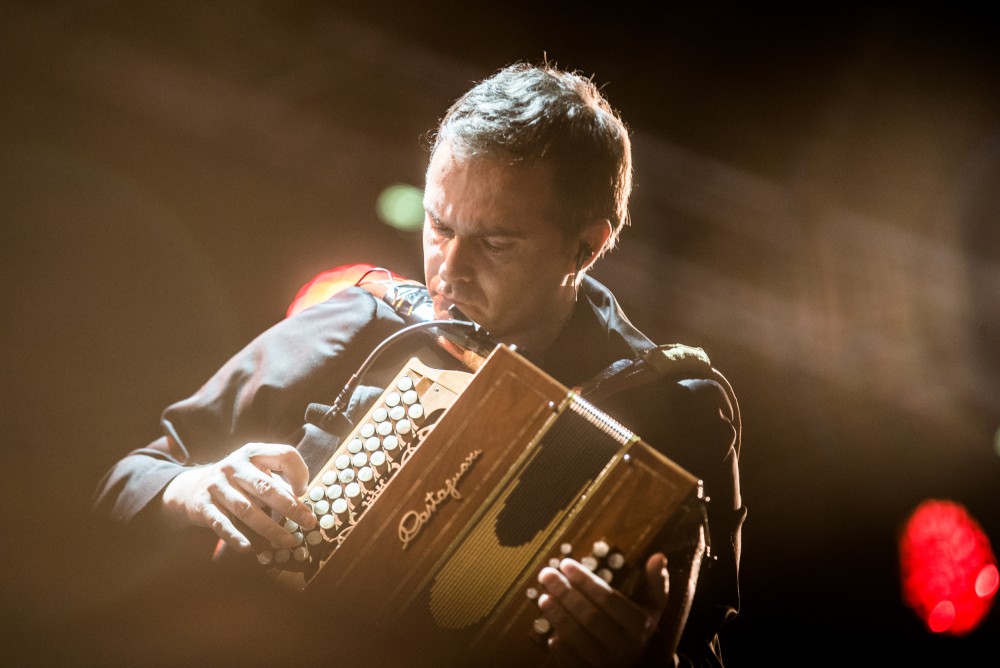

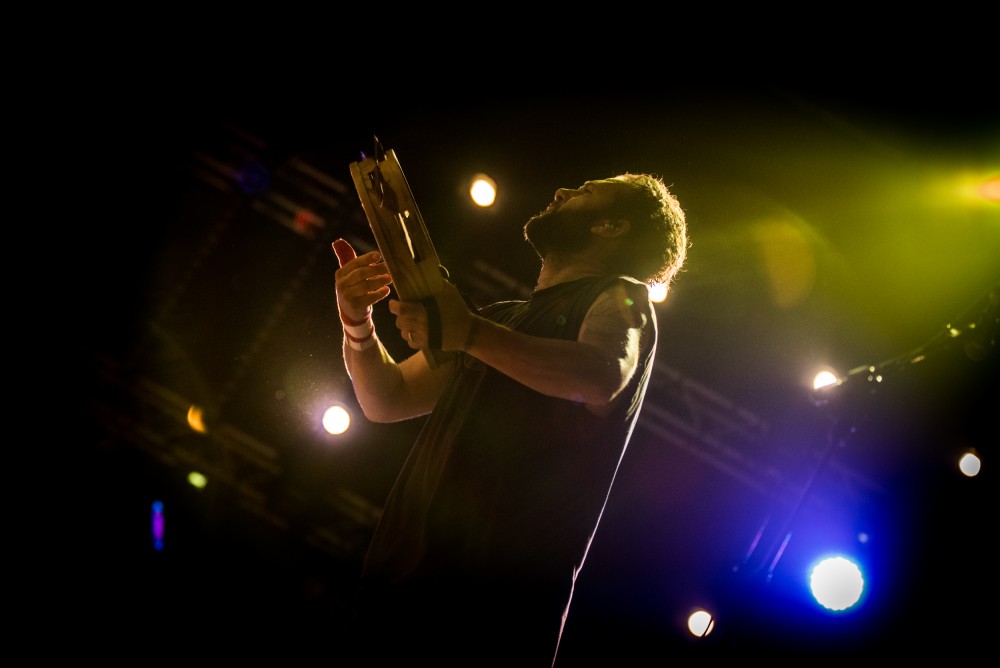
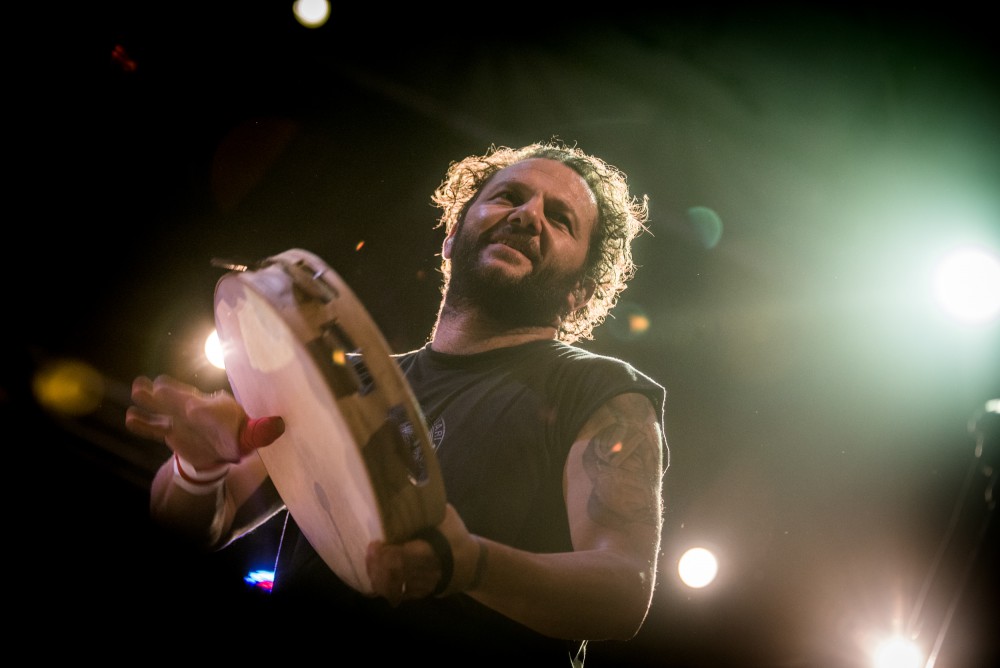
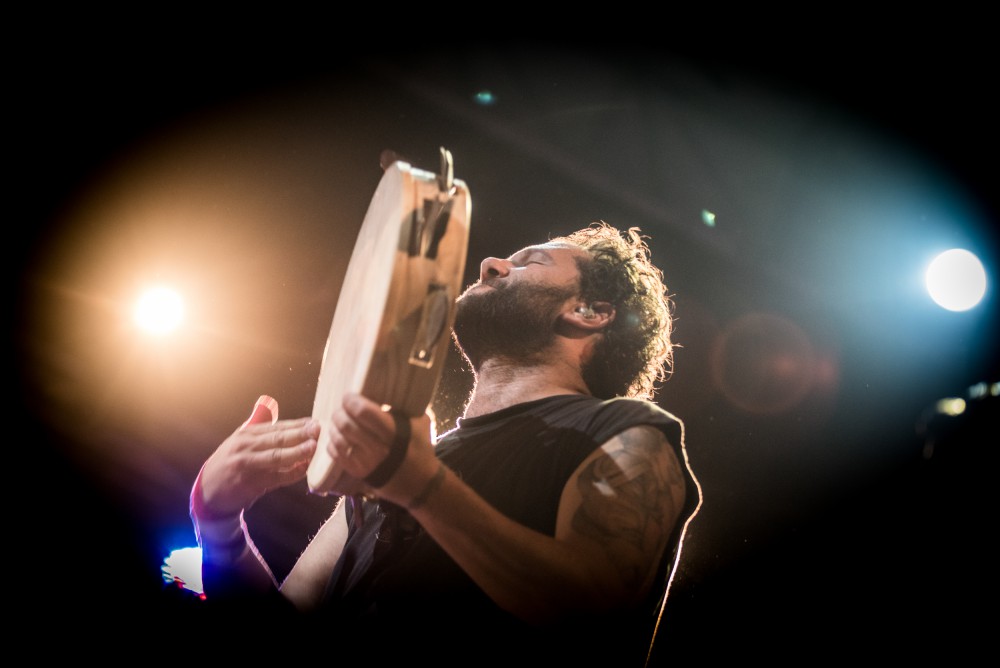
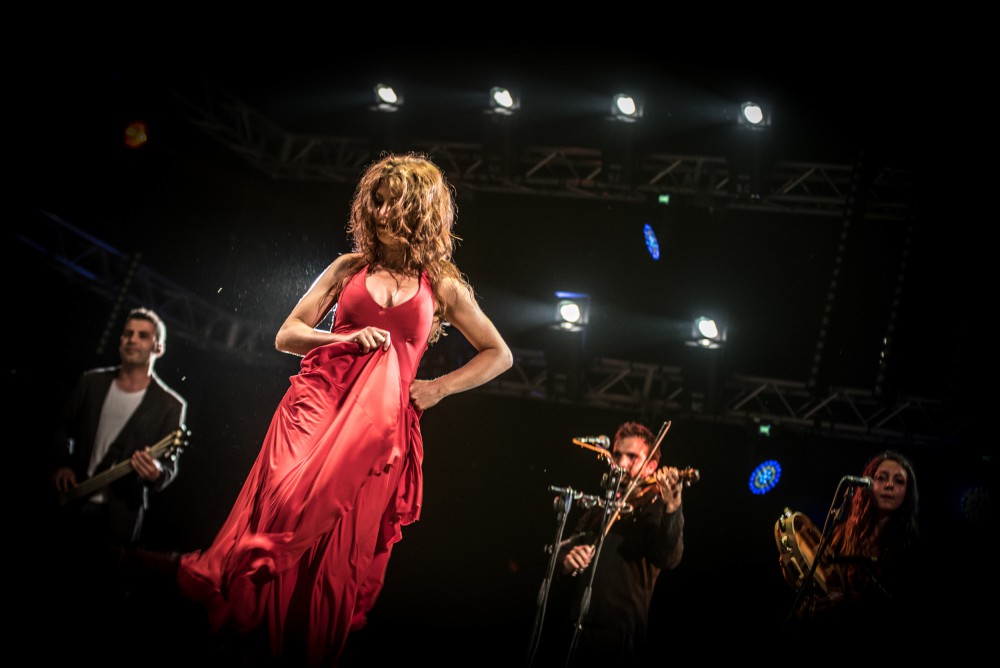
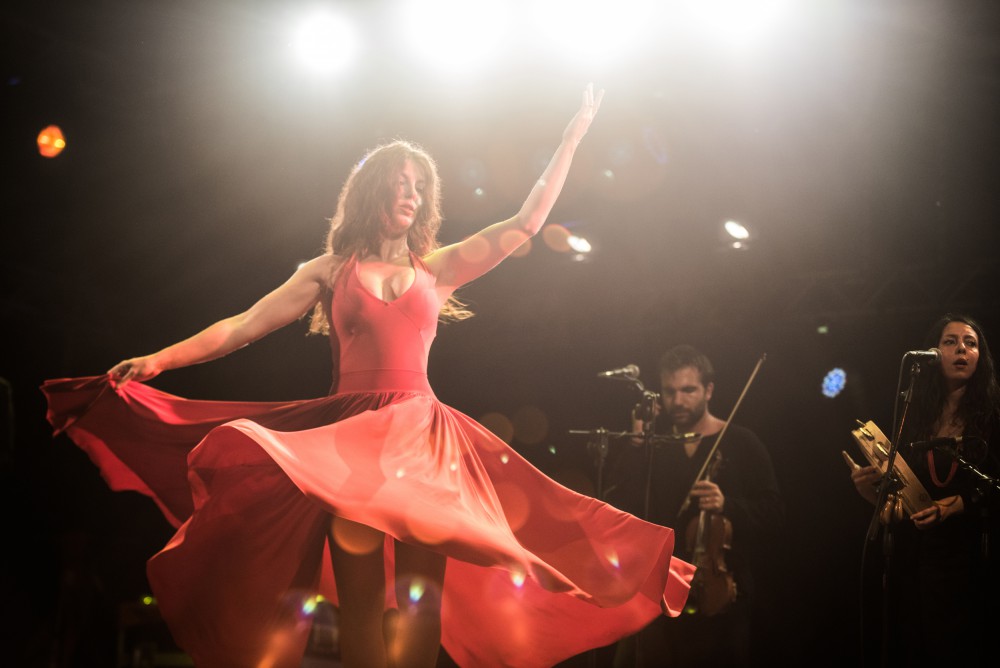
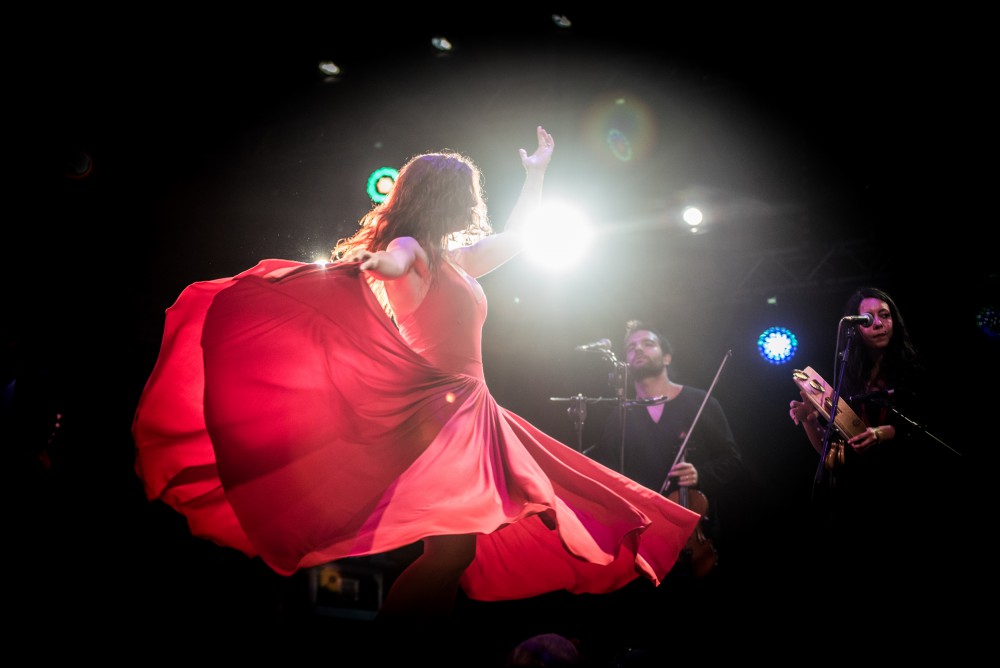
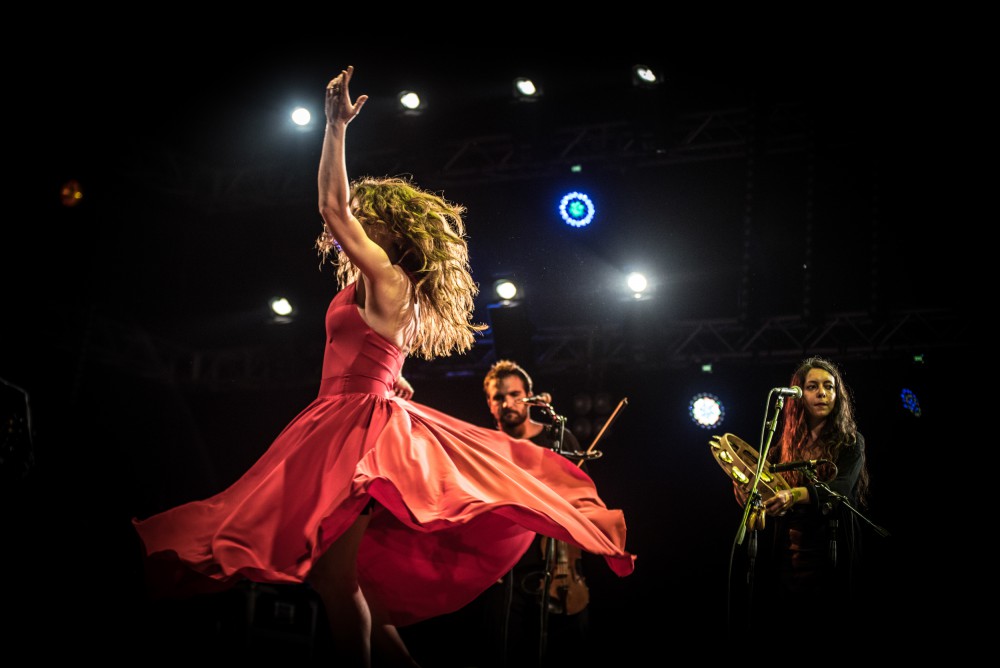
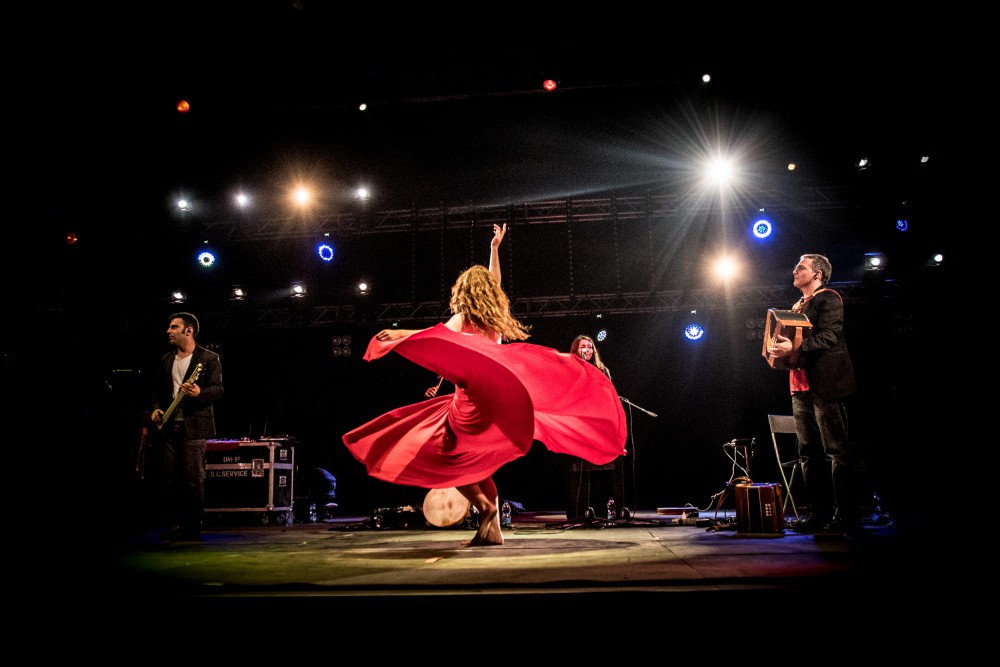
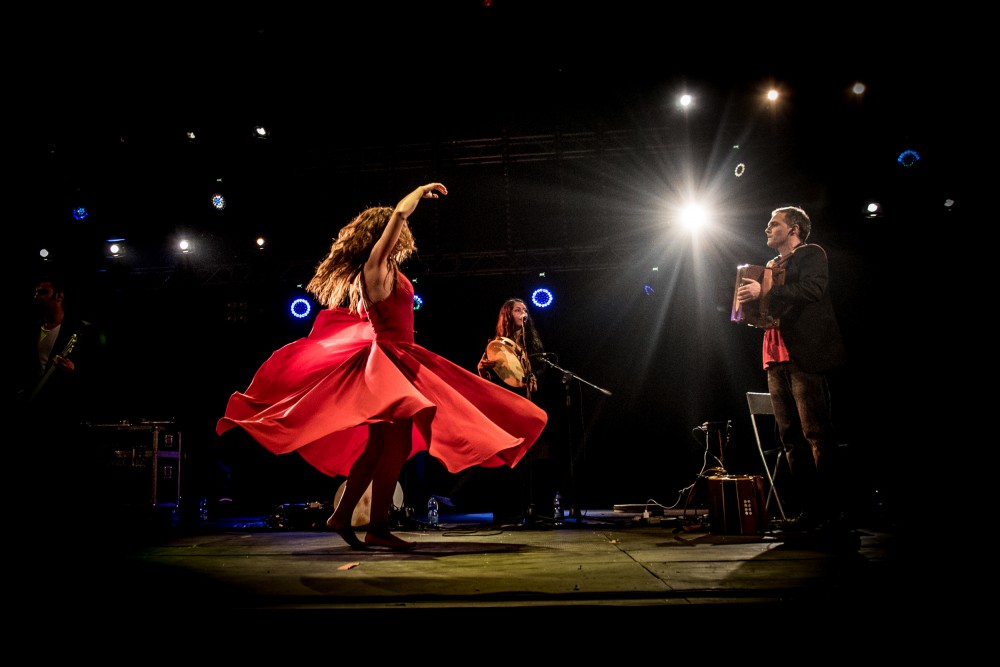
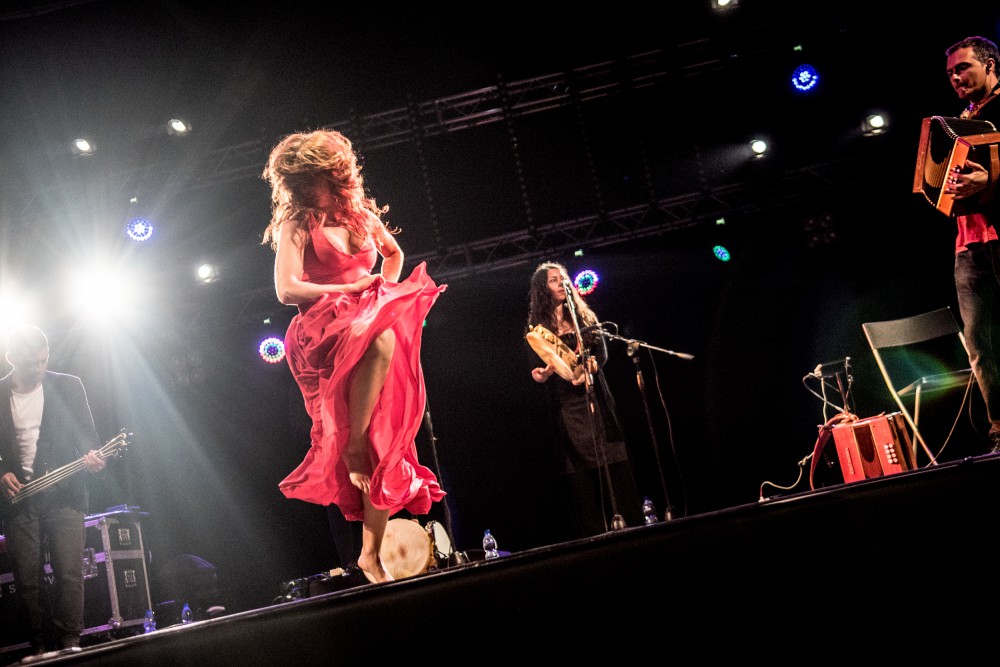
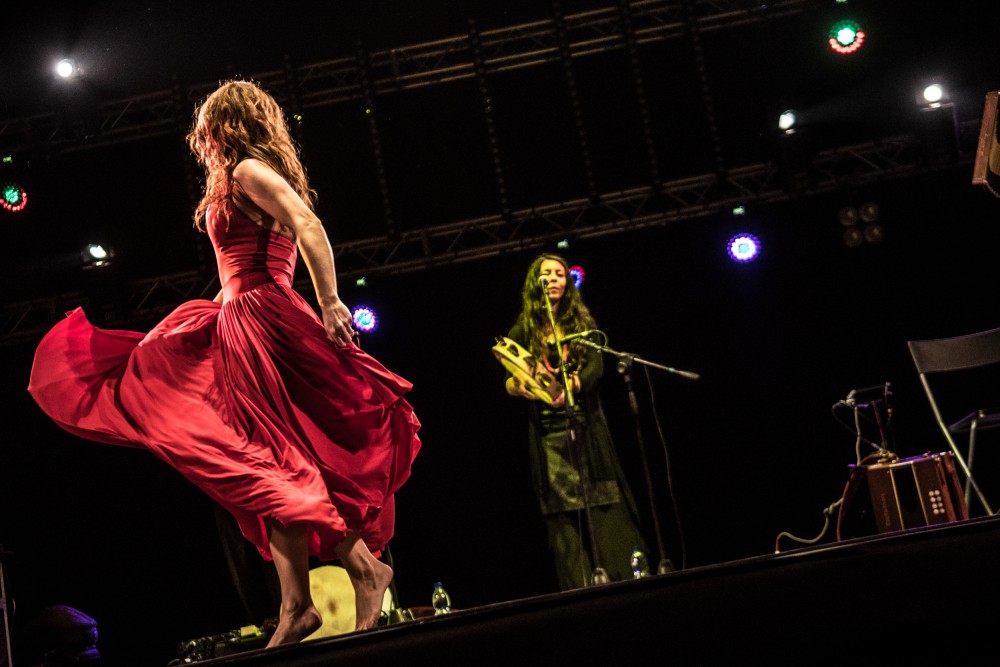
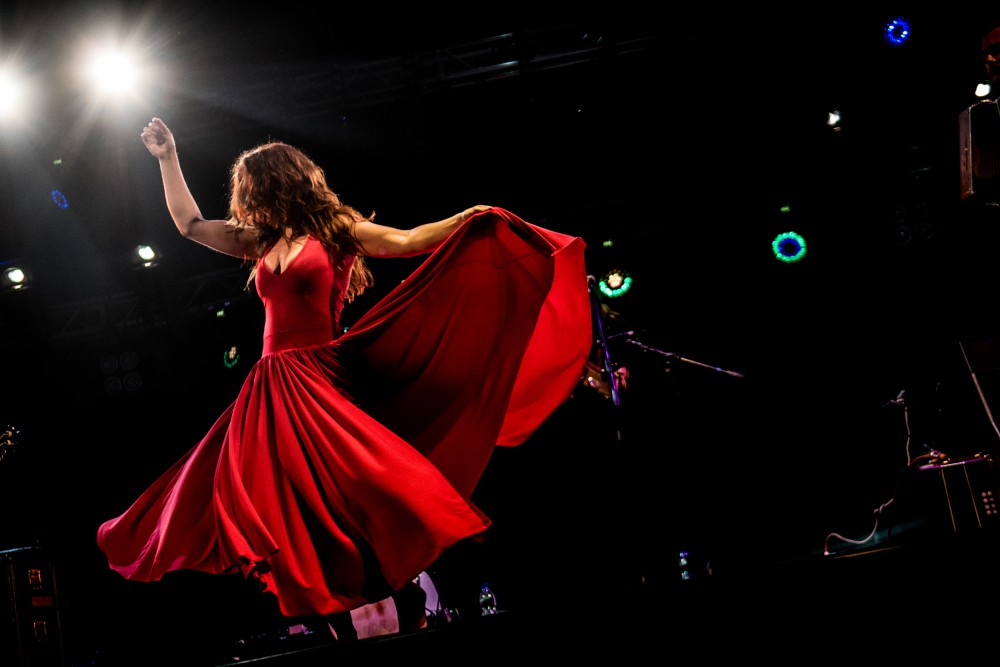

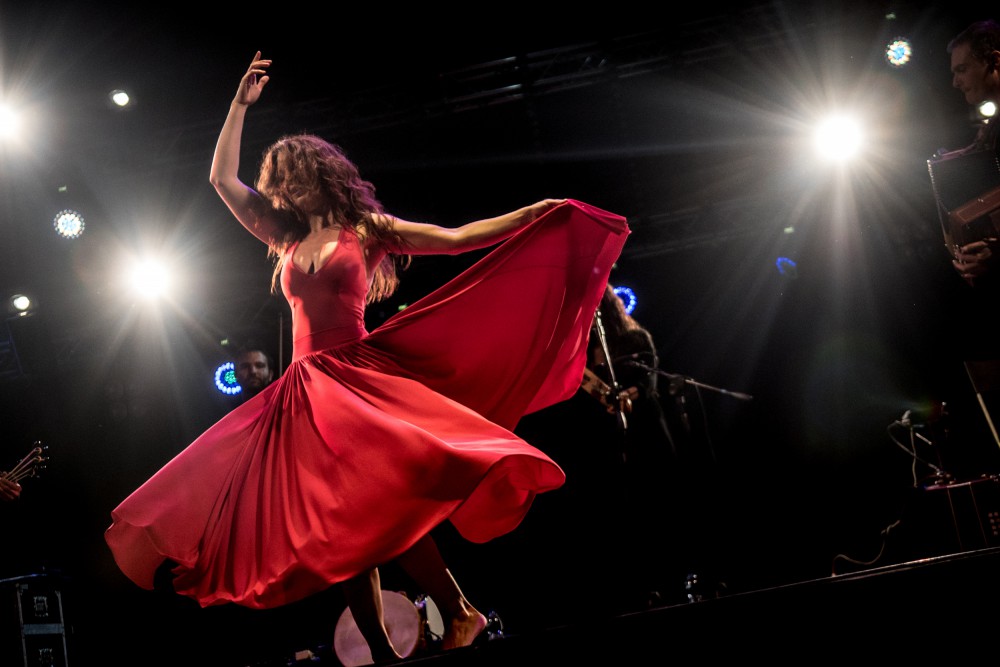
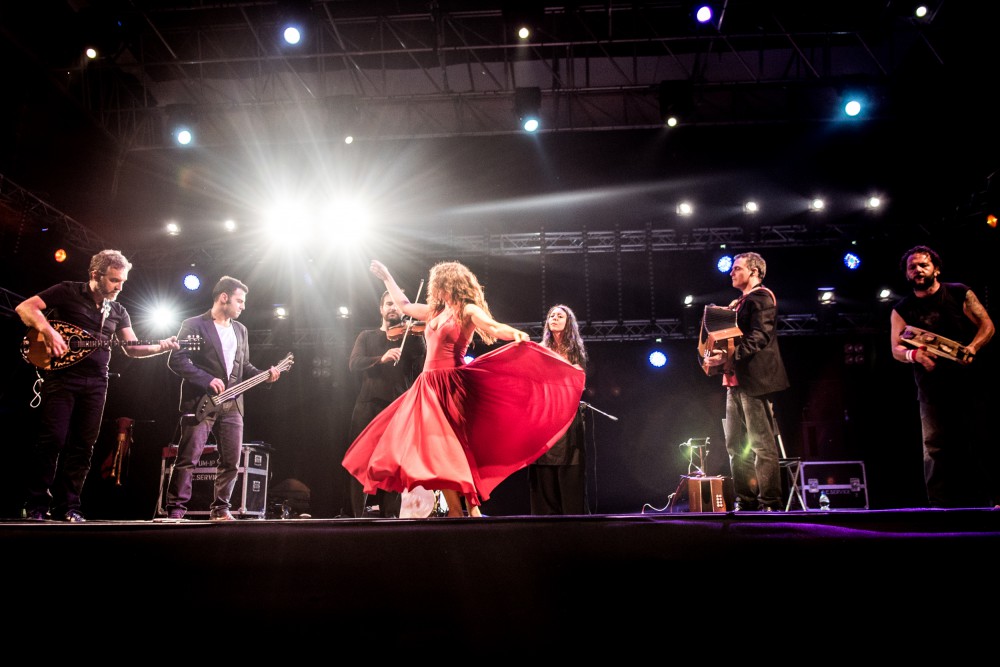
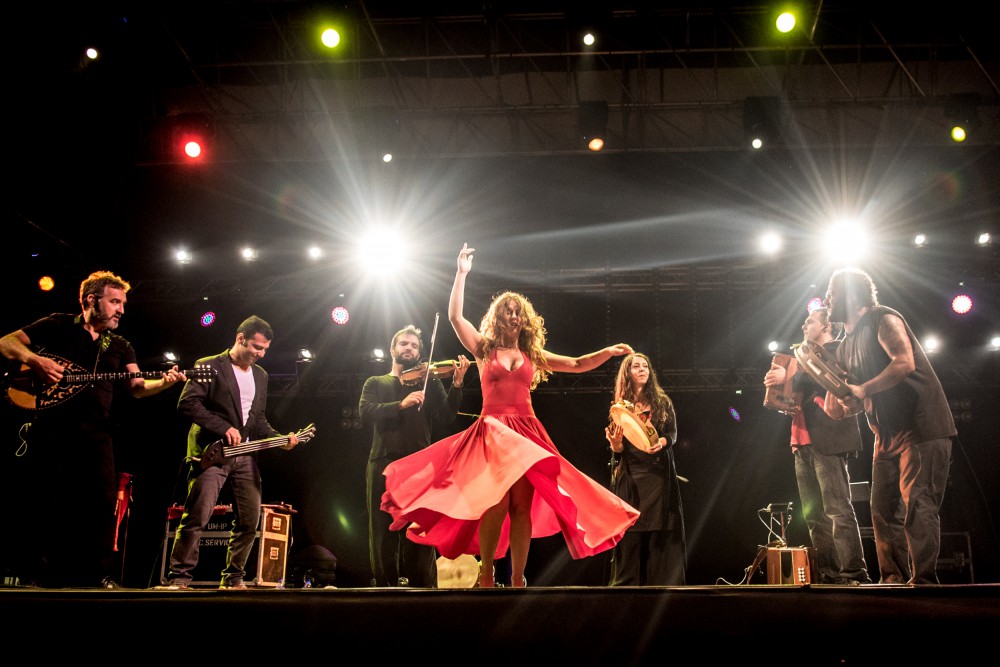
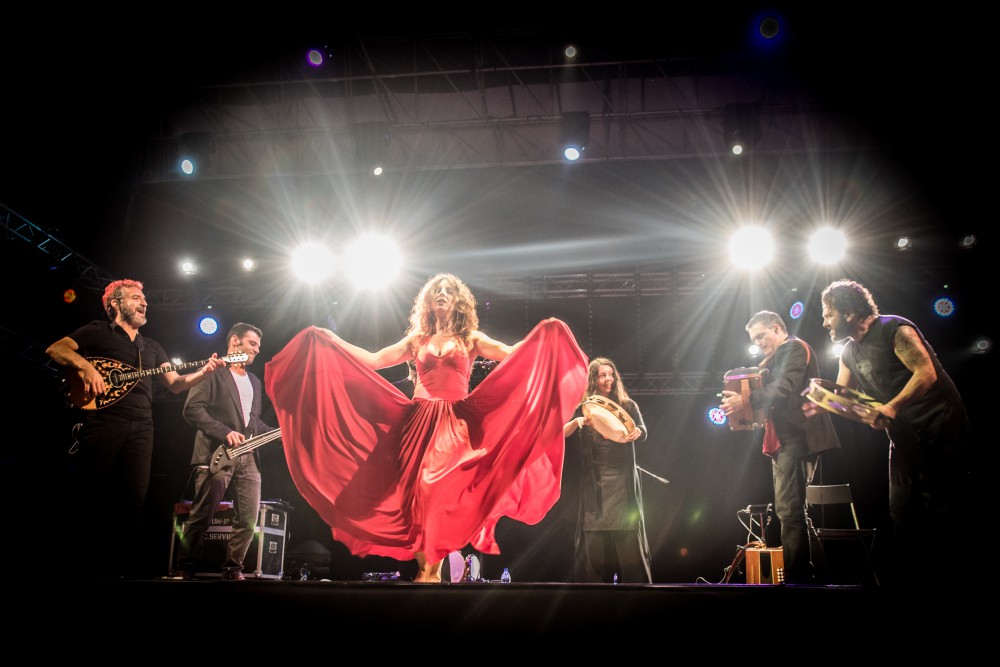
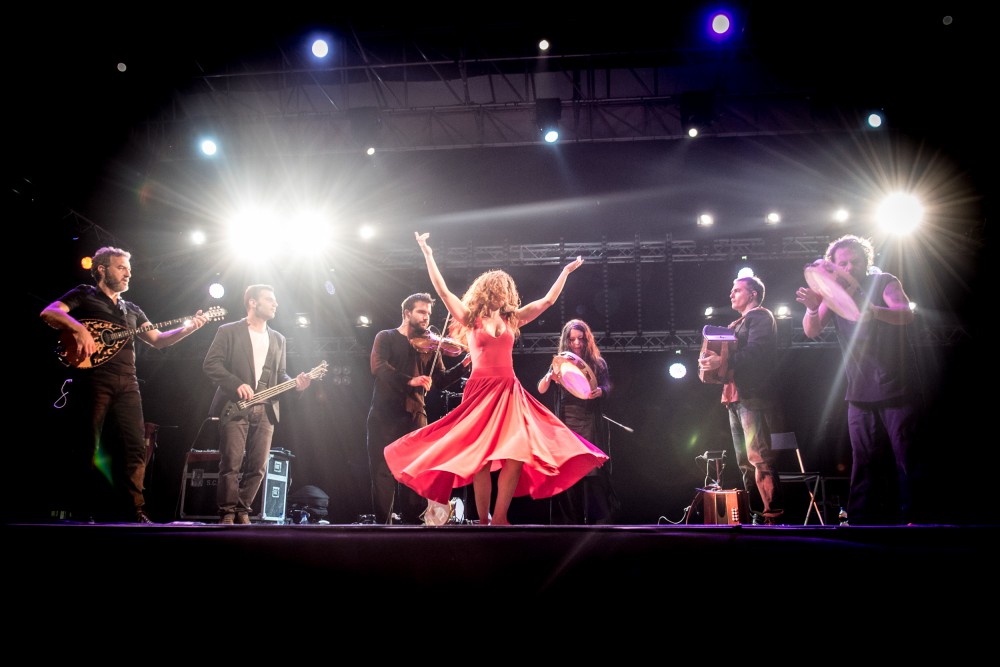
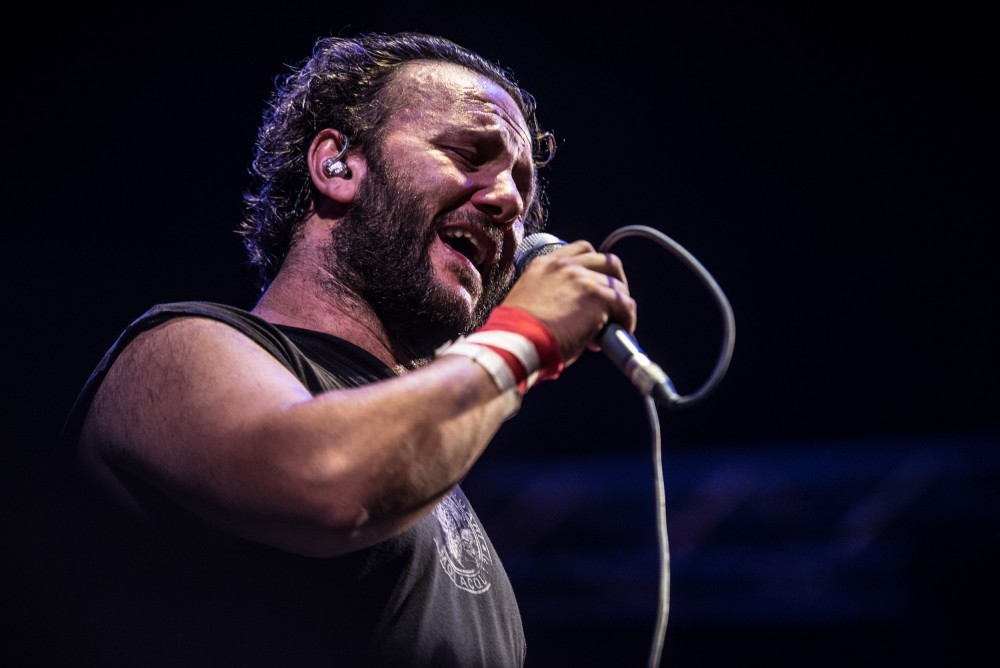
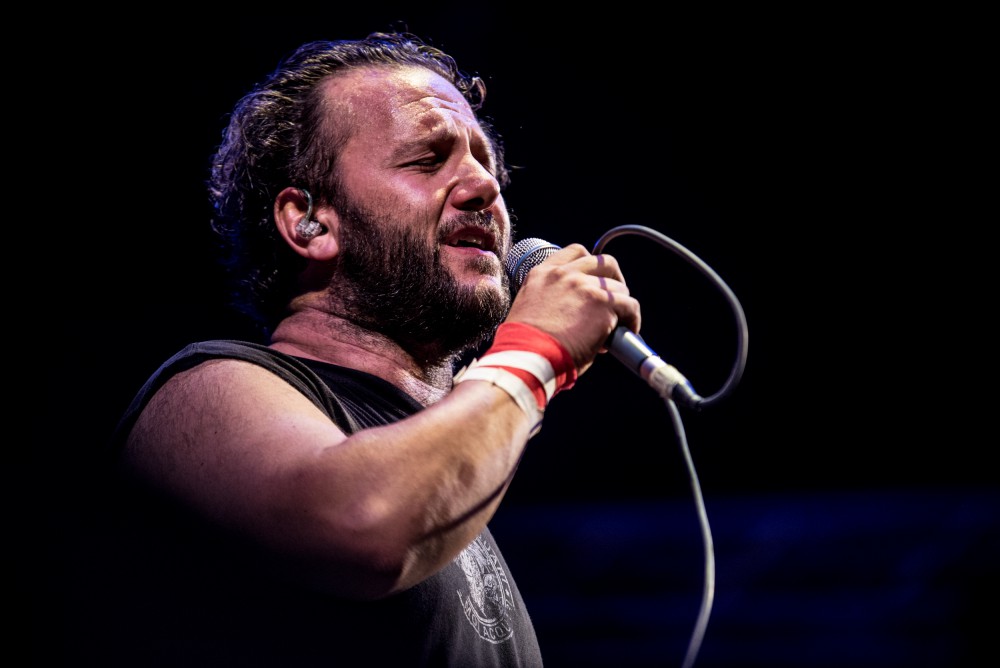
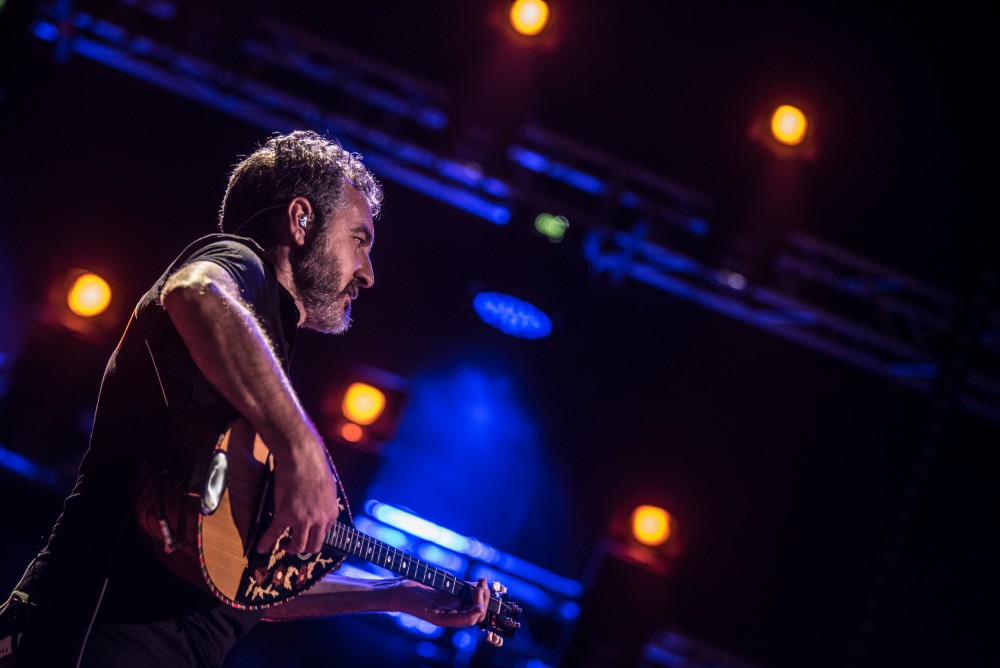
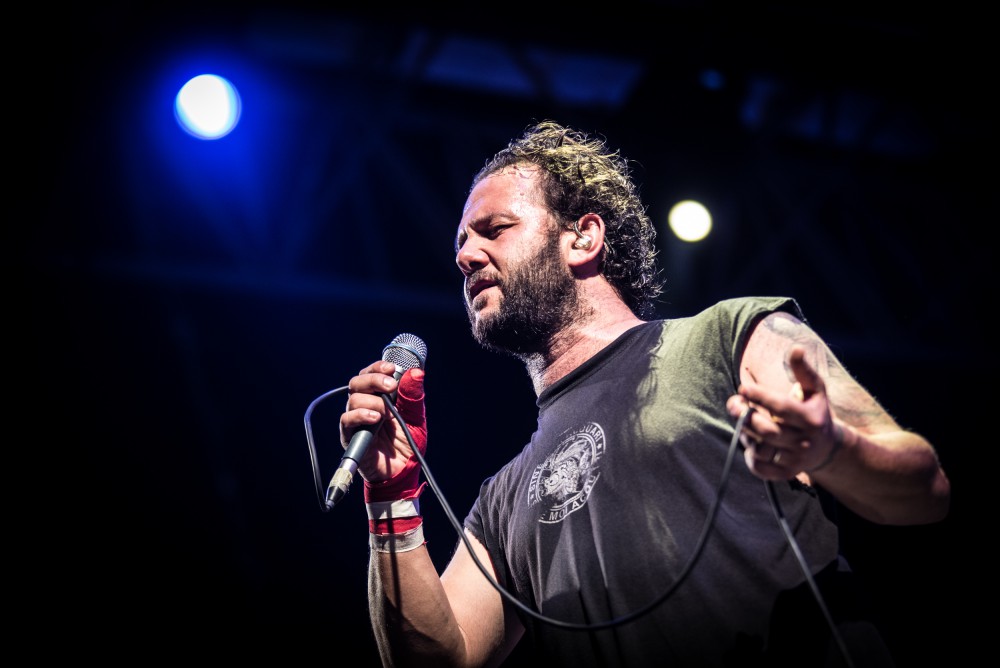
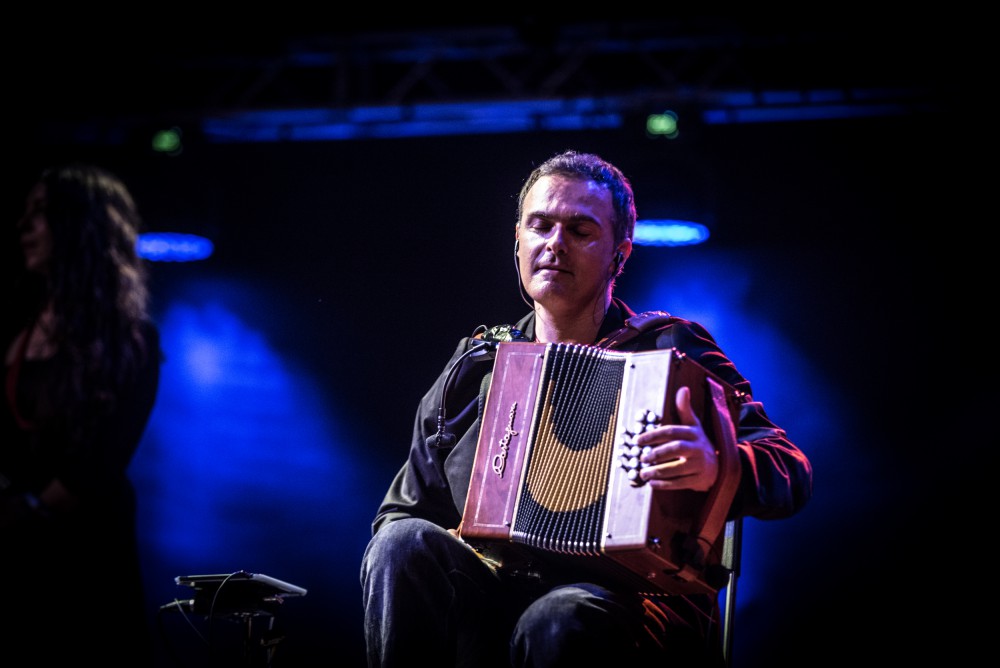
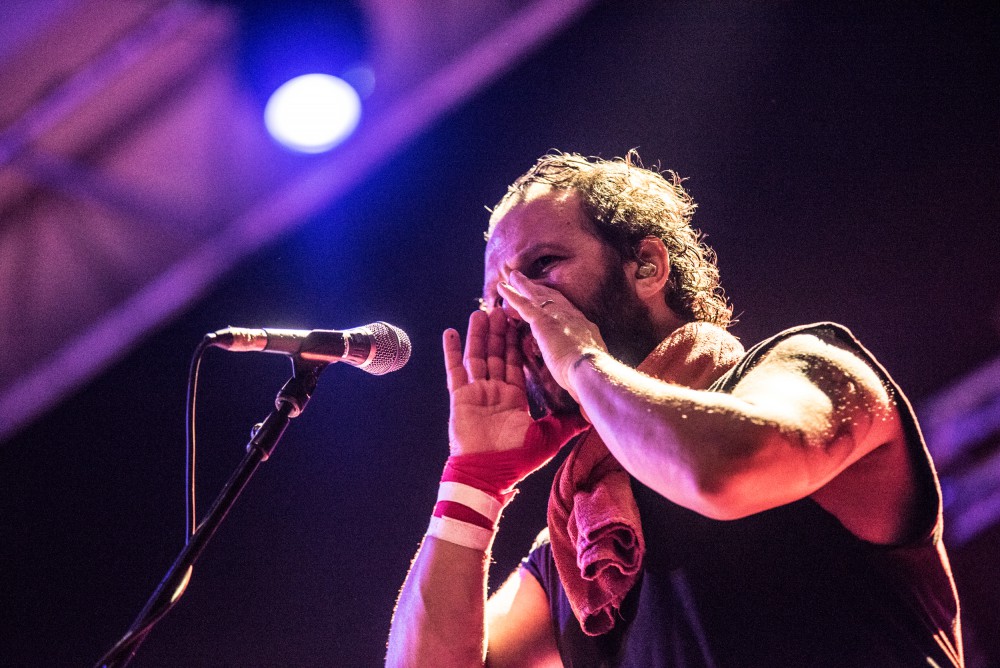
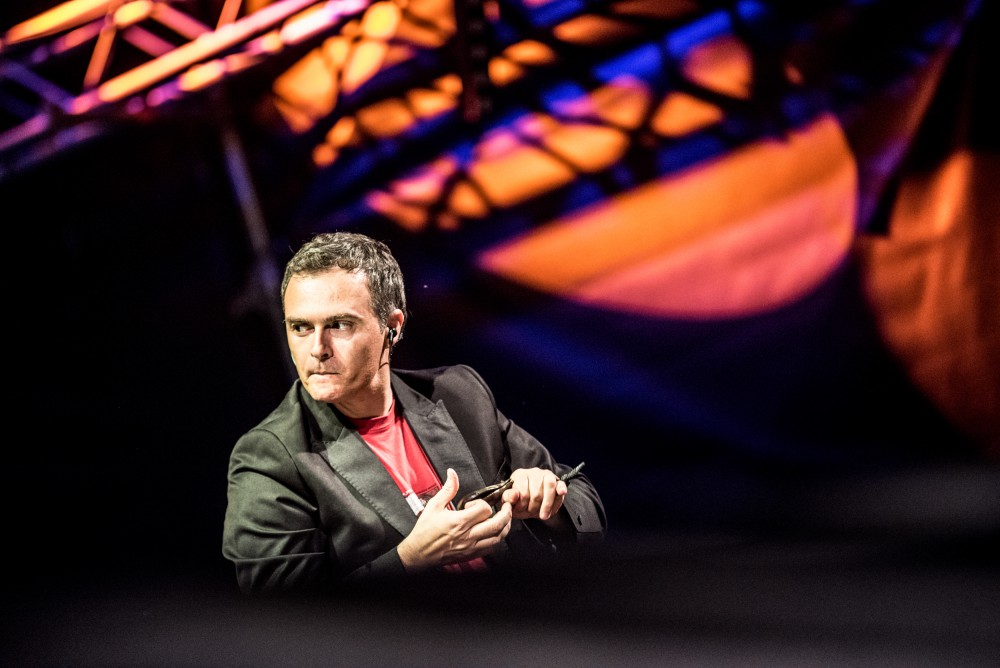
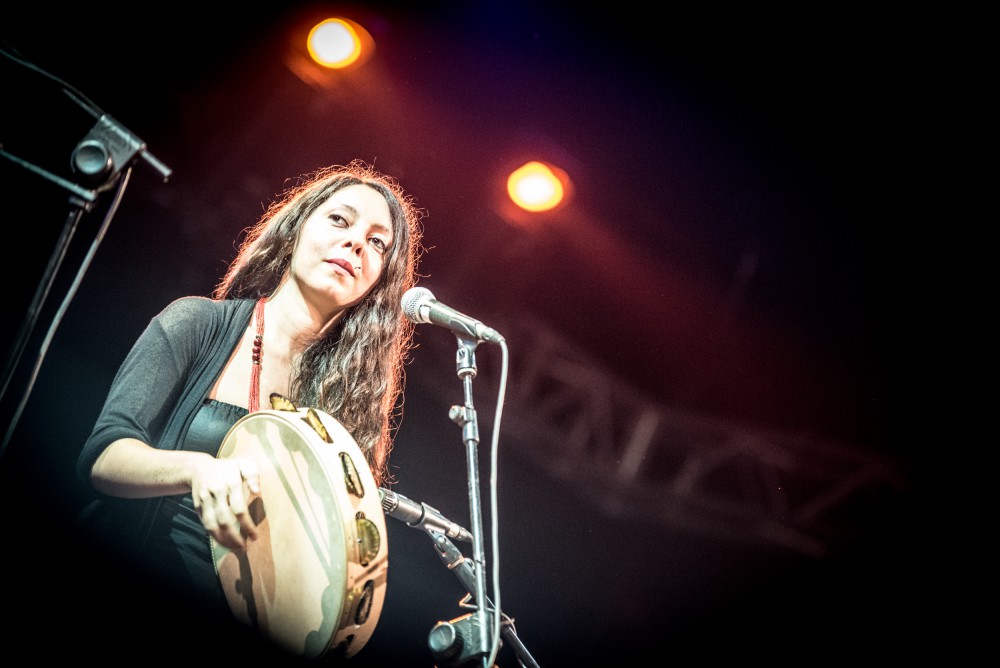
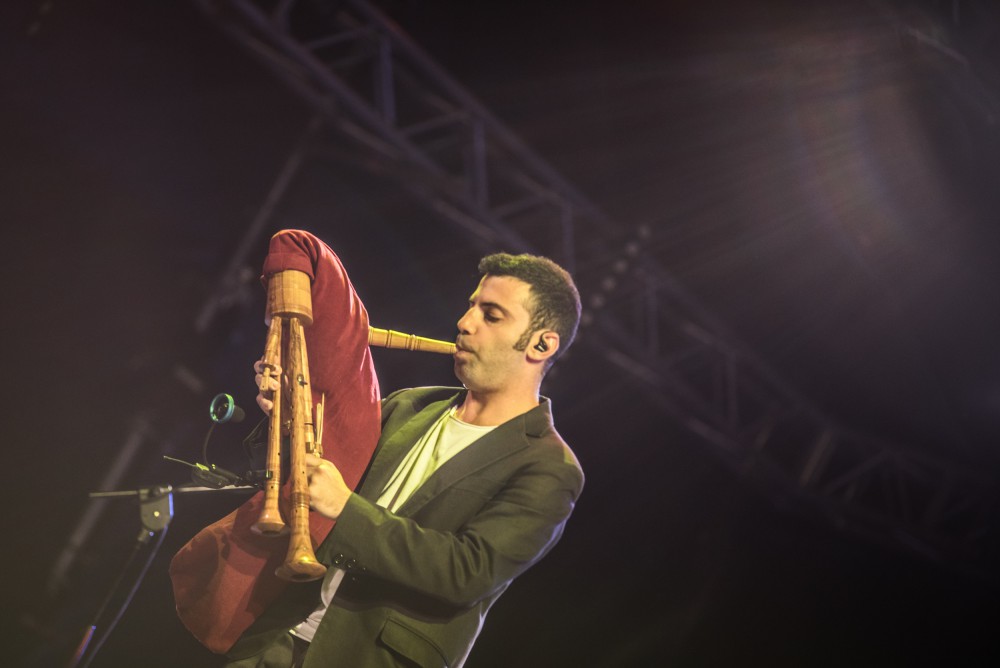

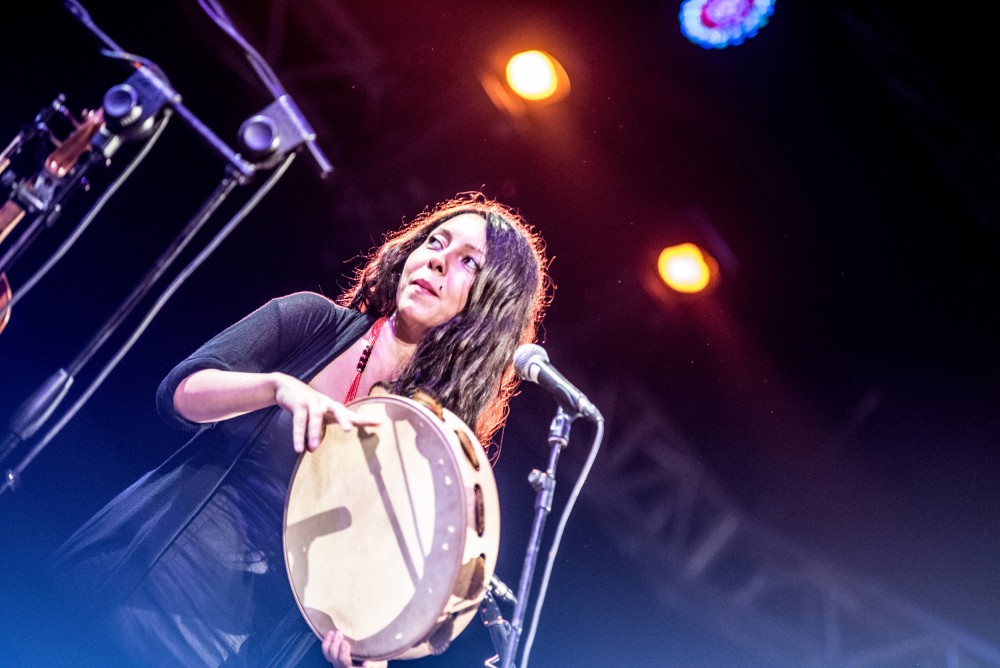
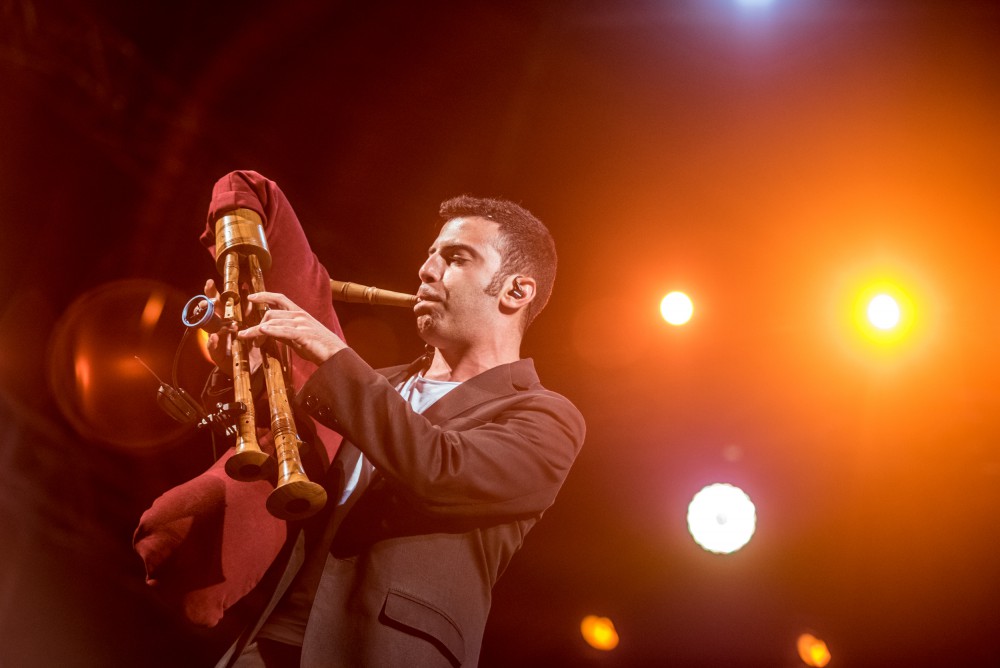
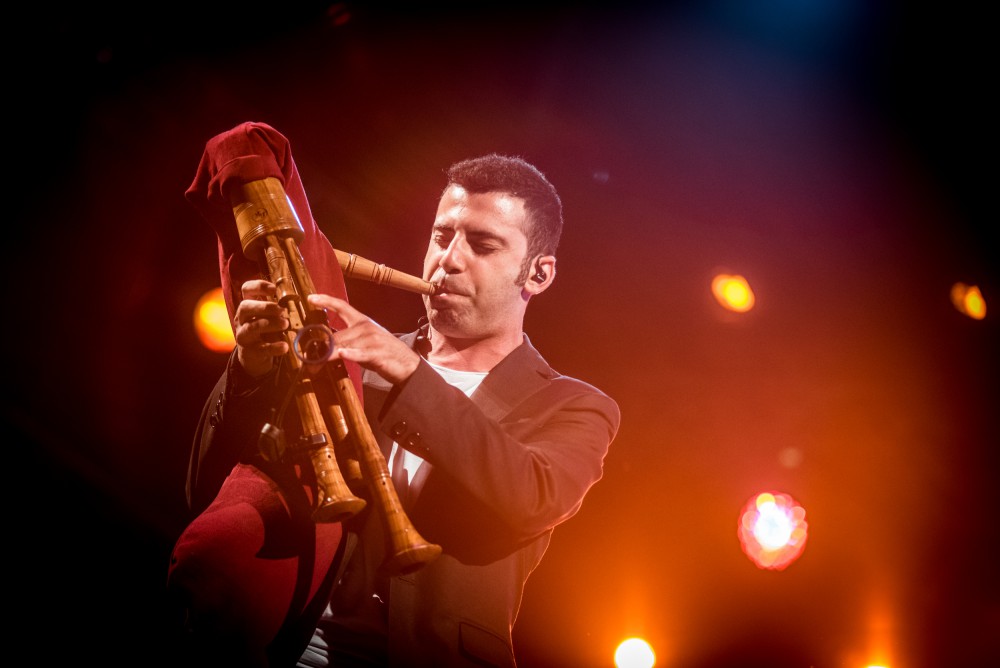
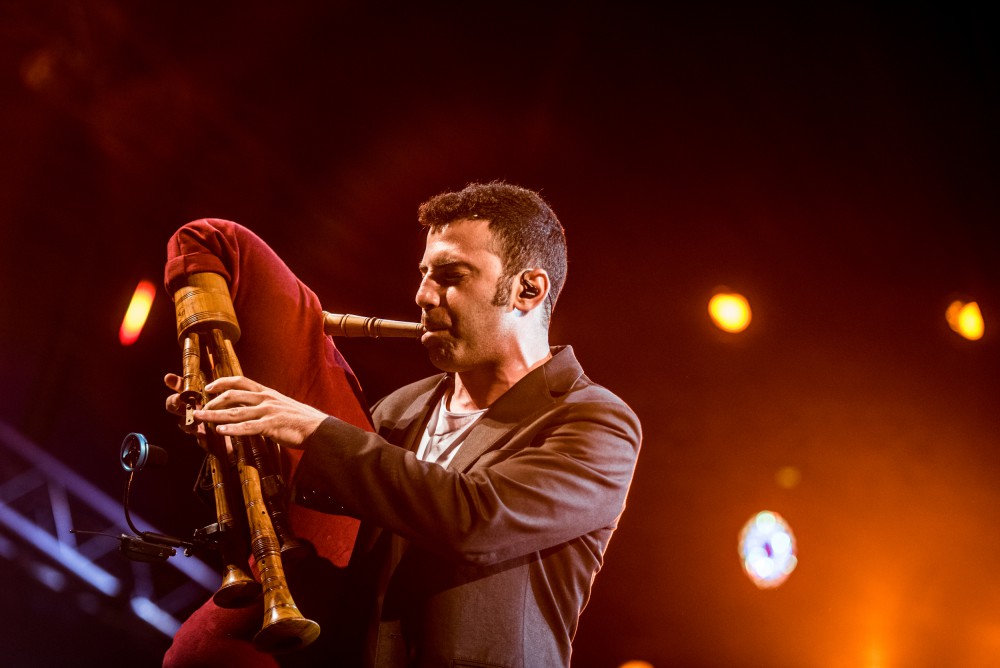
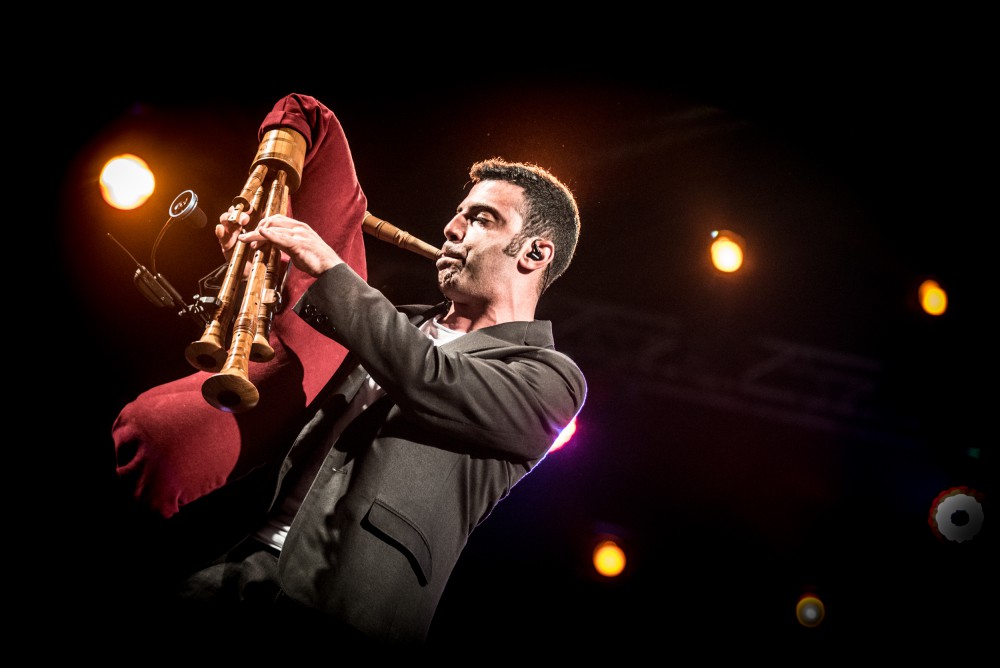
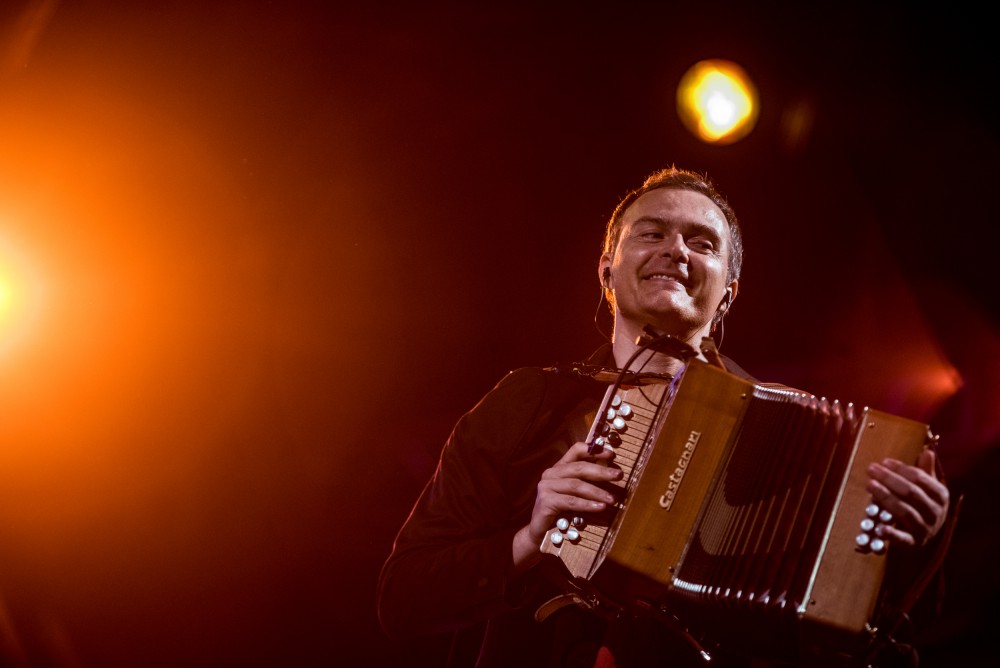
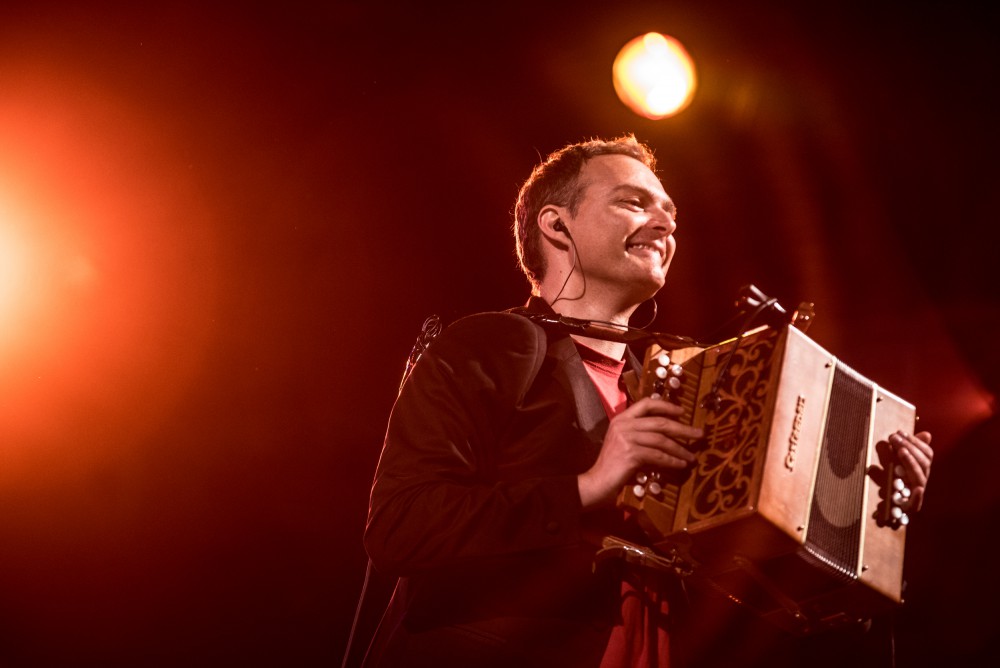
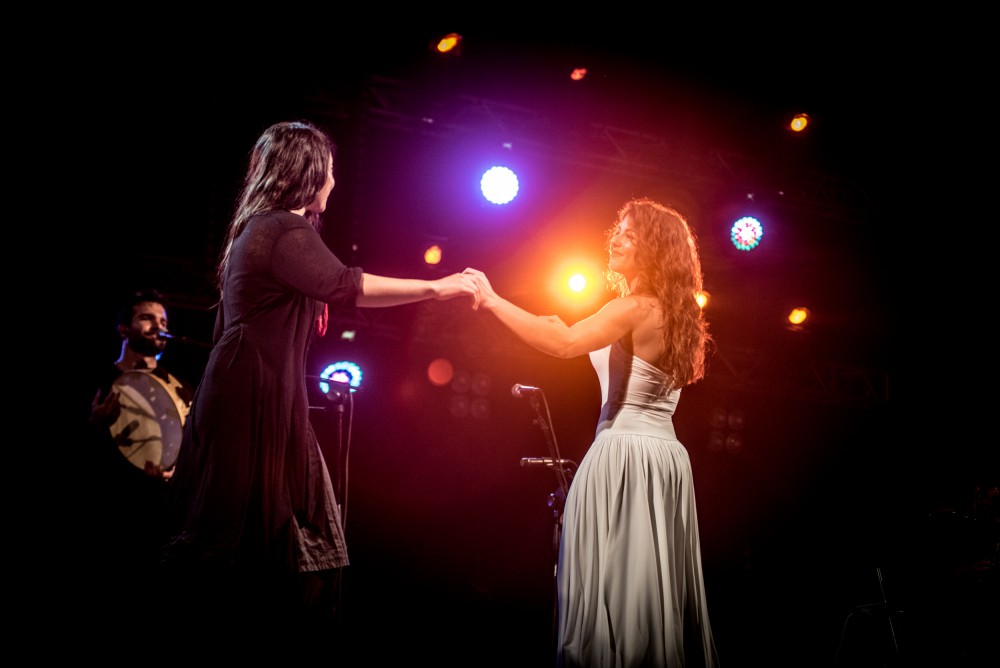
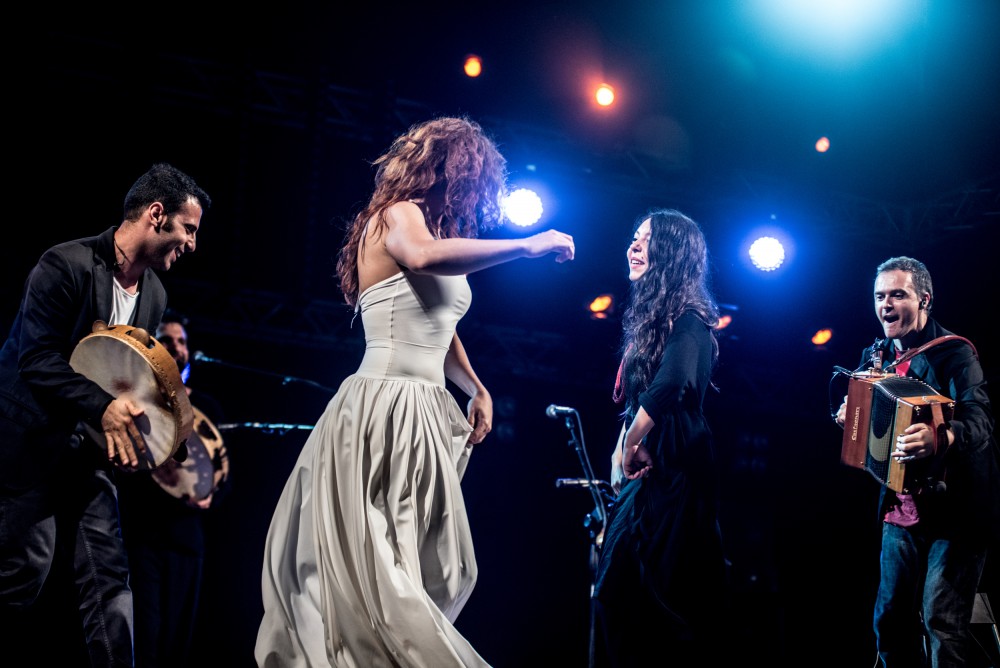
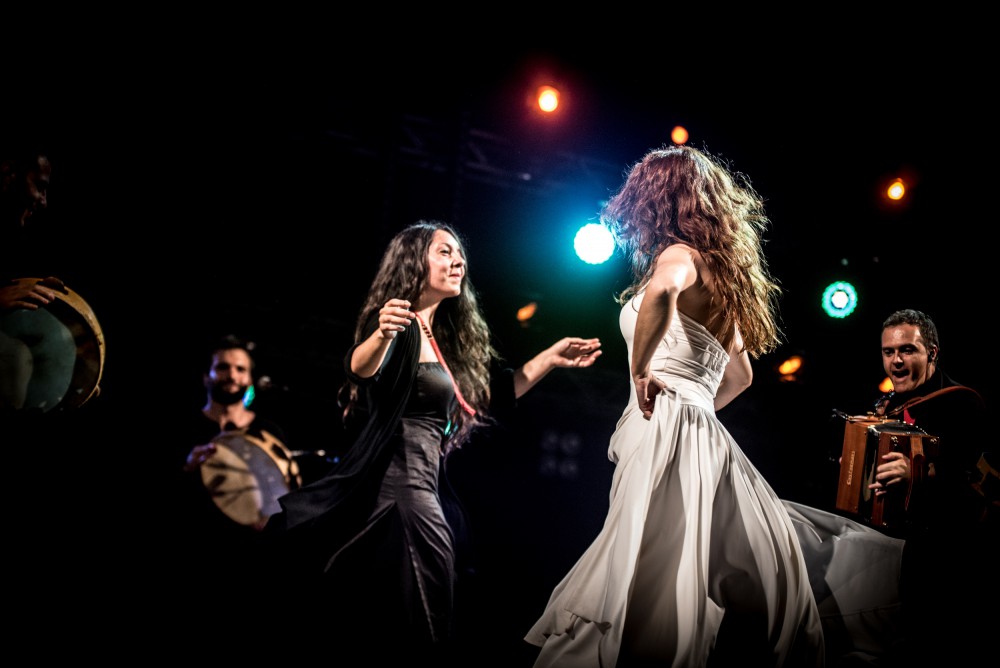
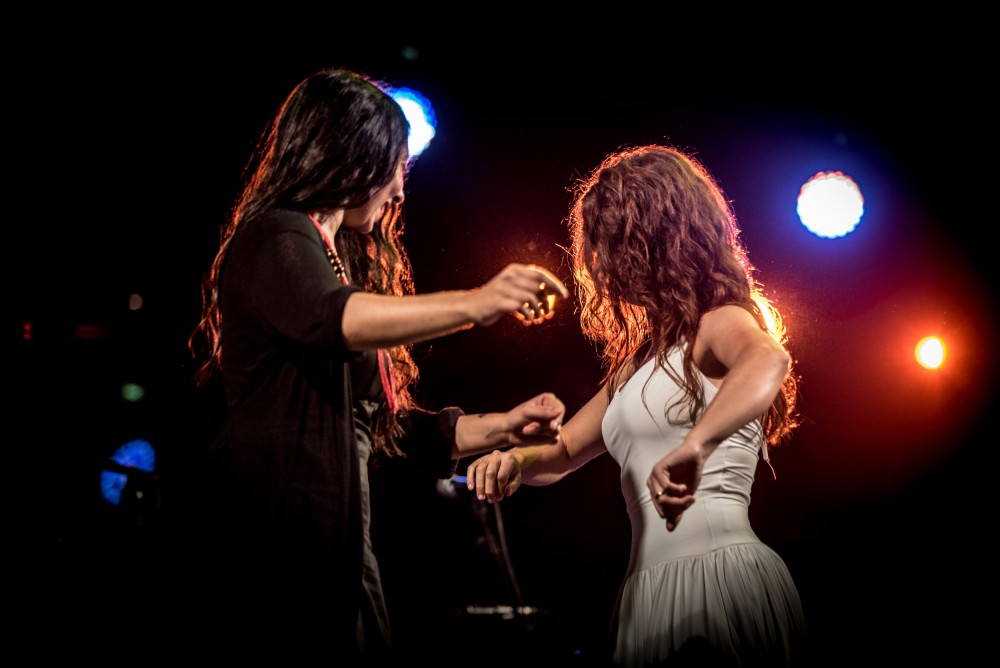
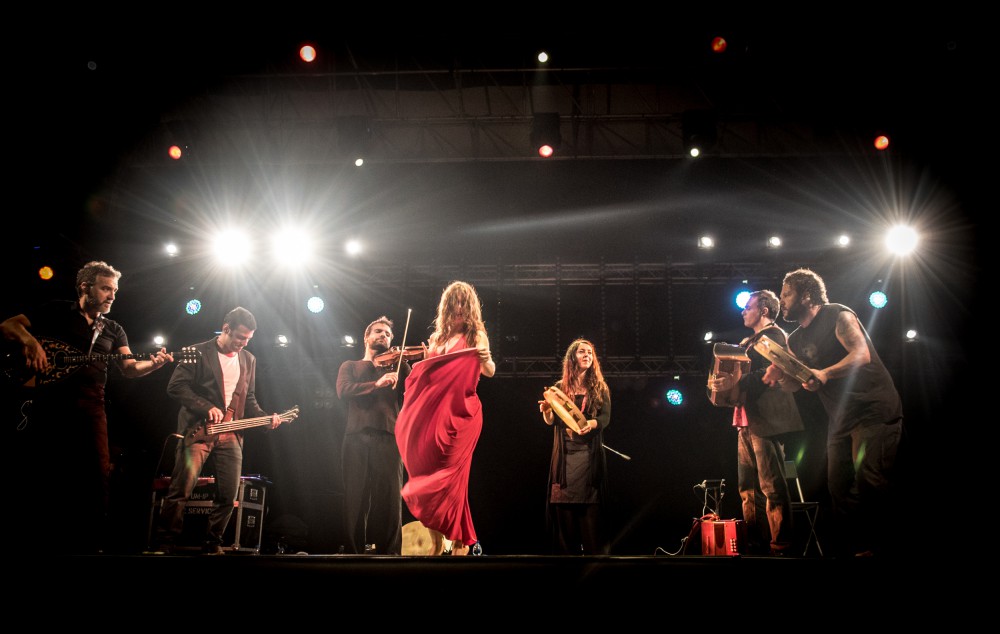
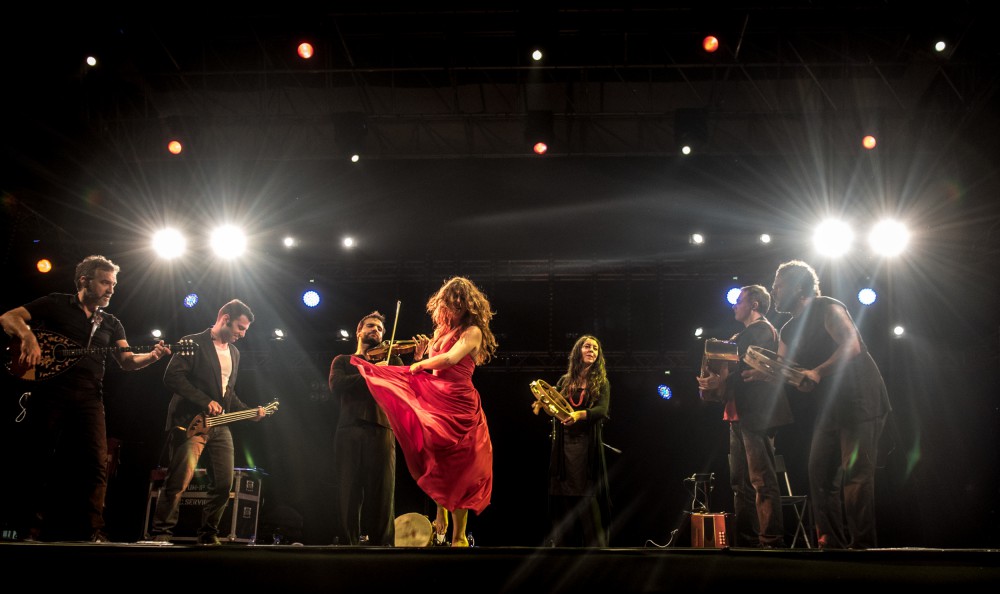
Radio1, KingKong – Canzoniere Grecanico Salentino – 19.06.2015
Quaranta is Top of the World for Songlines! 5 stars review from Ciro De Rosa!

ISSUE 109 – July 2015
Canzoniere Grecanico Salentino
Quaranta
Ponderosa Music & Art
Hide review
Puglia’s finest hit their 40s with no hint of a mid-life crisis
Quaranta, CGS’s new release, celebrates four decades of the group’s existence. It is awe-inspiring, stirring and soulful; with an array of acoustic instruments plus subtle keyboards, this septet of accomplished musicians (plus one dancer) have long been giving Salento traditional music a contemporary character. Take the standout work-song-style opener ‘Tienime Tata’, or the powerful account of migrants, seeking hope, trying to cross the Mediterranean that is ‘Solo Andata’. Or the rousing ‘No Tap’, on which Fanfara Tirana add weighty brass, or ‘Ziccate’, about local environmental devastations.
Producer Ian Brennan has captured the band’s sheer exuberance and straightforward sound. Thundering tamburelli percussion and driving fiddle by bandleader Mauro Durante (whose father co-founded the band in 1975), propel the organetto, guitar, bouzouki, bass, zampogna, ciaramella and flute, with Maria Mazzotta, Gianluca Paglialunga and Emanuele Licci’s voices displaying stunning diversity of timbre. There’s the bitter humour of the fizzing tarantella ‘I Love Italia’, featuring Piers Faccini, and the exotic-tinged ‘Taranta’, on which pianist Ludovico Einaudi pops up. Canzoniere Grecanico Salentino are contagiously spreading the rhythms of Puglia round the world.
Ciro De Rosa
TRACK TO TRY Tienime Tata
Canzoniere Grecanico, il folk salentino alla conquista dell’Europa
 Terzo posto alla World Music Chart Europe e tour mondiale per il gruppo che rielabora la taranta
Ancora una fantastica recensione di Quaranta dalla prestigiosa penna di Guido Festinese!
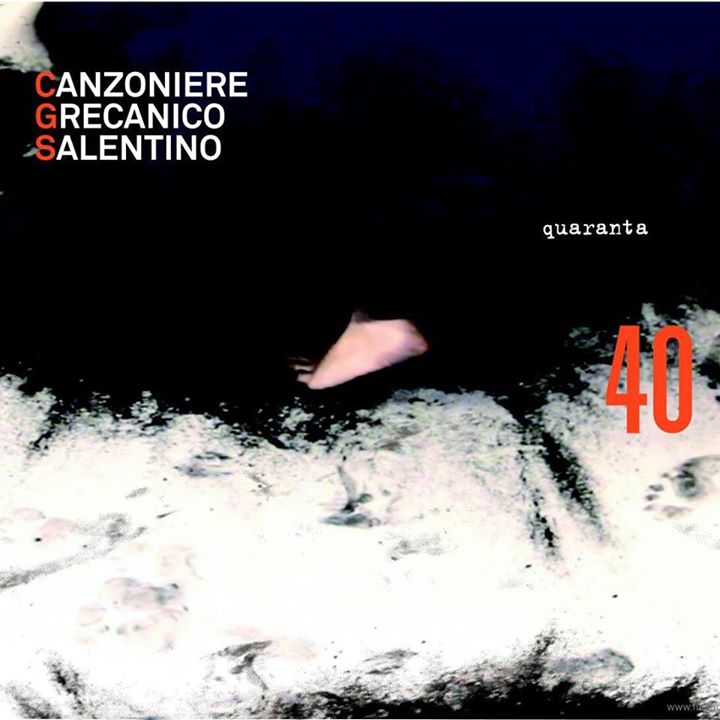
DETTAGLI
Artista
Titolo
Quaranta
Anno
Casa discografica
E’ una questione di stile e di consistenza di fondo, forse: c’è chi invecchia senza paura di mettere in mostra magagne e fragilità, vedi alla voce Leonard Cohen, e chi si ostina a fare il giovane sboccato ed elastico per sempre, e son figure patetiche. Vero Mr. Jagger? Sia come sia, è un rischio che per fortuna non si corre nei territori ampi e variegati del folk progressivo, dove a volte i decenni che passano sono più un mero marcatore cronologico che una iattura con annesse complicazioni reumatoidi. In Inghilterra ad esempio succede con i magnifici Fairport Convention, da noi con una formazione palpitante e matura come il Canzoniere Grecanico Salentino. Che con Quaranta festeggia una storia iniziata nel 1975, quando sui palchi giravano Nccp e Musica Nova, e prosegue a tutt’oggi con eccellenti risultati: peraltro ben messi in rilievo anche dalla stampa internazionale, dal Guardian al New York Times. L’ensemble pugliese guidato dal vocalist, percussionista e violinista Mauro Durante qui trova modo di collaborare con gente diversa e ugualmente valida come Ludovico Einaudi, Piers Faccini, Alessandro Gassman, Erri De Luca, che regala uno dei suoi testi incendiari e dolenti. Si rinnova il piccolo miracolo di note che sembrano ataviche e sono di oggi, sono state appena messe al mondo, e hanno il profumo del tempo meditato. (Guido Festinese)
Quaranta, video EPK
il video che racconta del nostro nuovo album Quaranta è finalmente online, con i contributi del CGS, di daniele durante e del produttore Ian Brennan.
the video that tells about our new album Quaranta is finally online! Featuring CGS, Daniele Durante and the artistic producer Ian Brennan.
CREDITS
Quaranta
download the new album: https://itunes.apple.com/it/album/qua…
record label: Ponderosa music and art
supported by Puglia Sounds
CGS
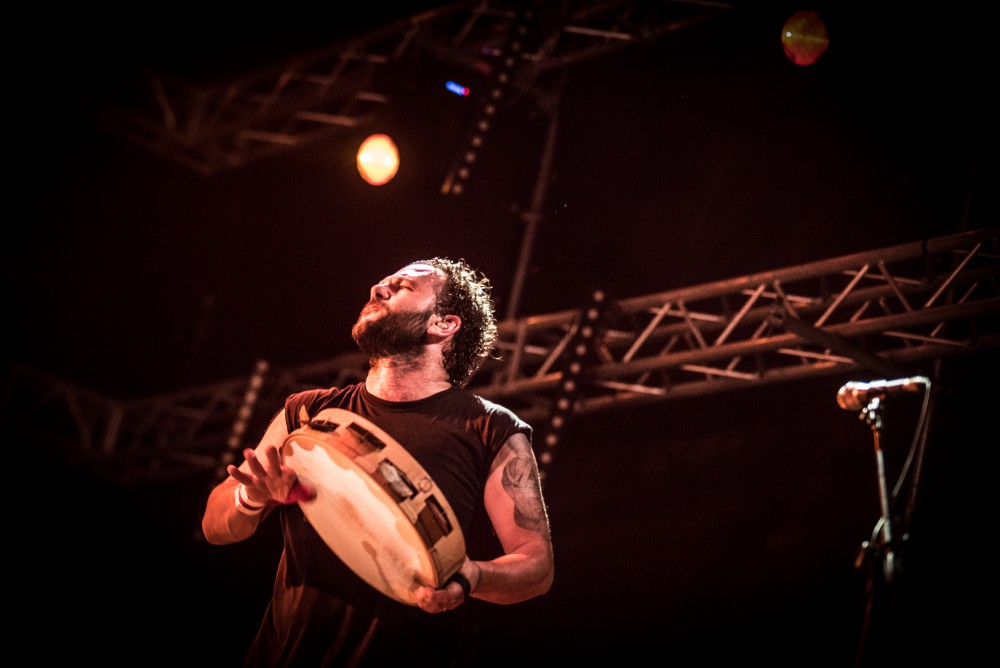
Mauro Durante: violin, tamburello, backing vocals
Giulio Bianco: recorders, bagpipes, harmonica, flutes,clarinet, bass
Emanuele Licci: vocals, guitar, bouzouki
Massimiliano Morabito: organetto
Giancarlo Paglialunga: vocals, tamburello, bendir, tapan
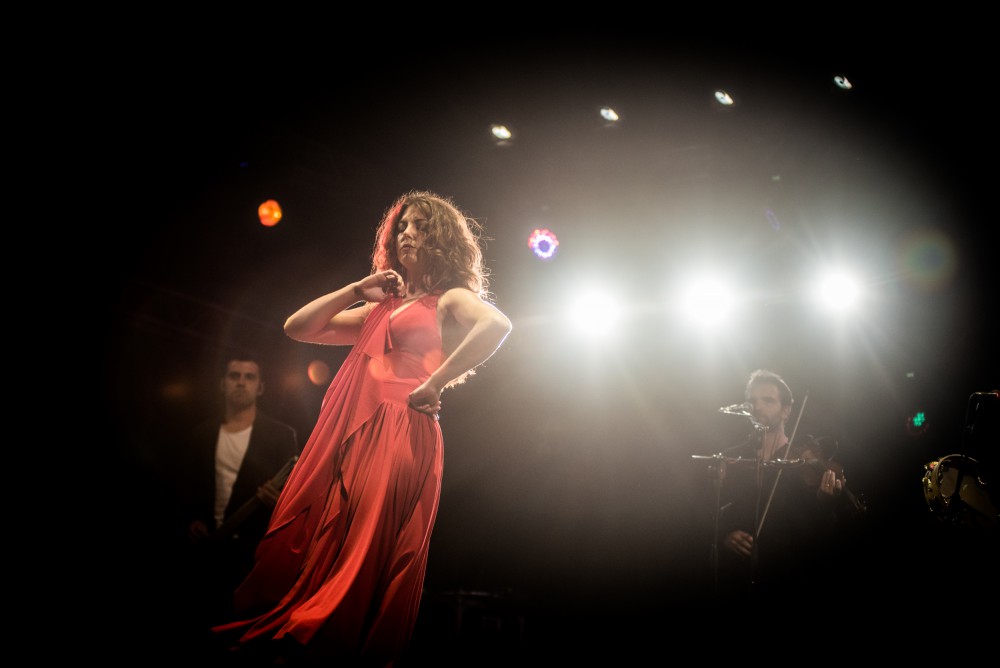
Silvia Perrone: dance
Alessia Tondo: vocals, castanets, percussion
GUESTS
Valerio Combass: bass (tracks 4, 11, 12)
Ludovico Einaudi: piano on Taranta
Fanfara Tirana: brass on No Tap
produced by IAN BRENNAN
executive producer: Titti Santini
This video EPK is realized by wemakestudio.it
story and screenplay by Gabriella Della Monaca
directed by Daniele Fusco
photography by Simone Rosato
our new album 40 joins the World Music Chart Europe directly in 3rd position!
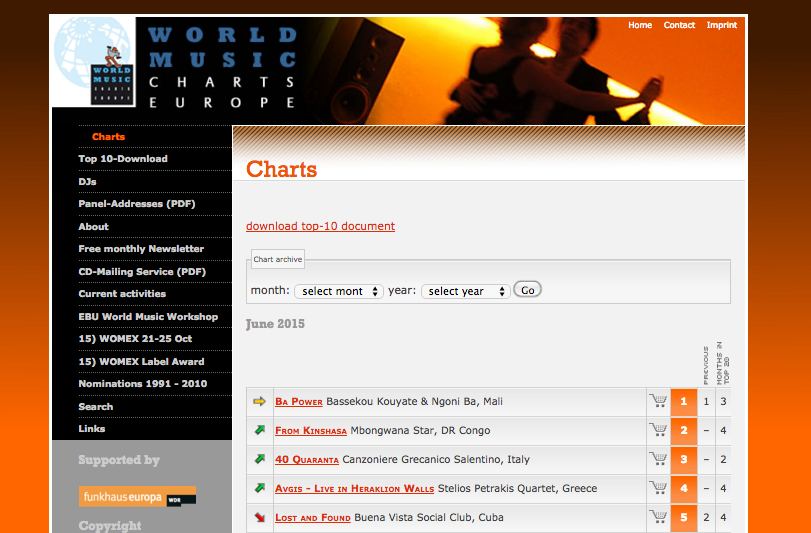
terzi in tutta Europa nel mese di giugno… thank you!
superb review of our Quaranta by the great George De Stefano on popMatters
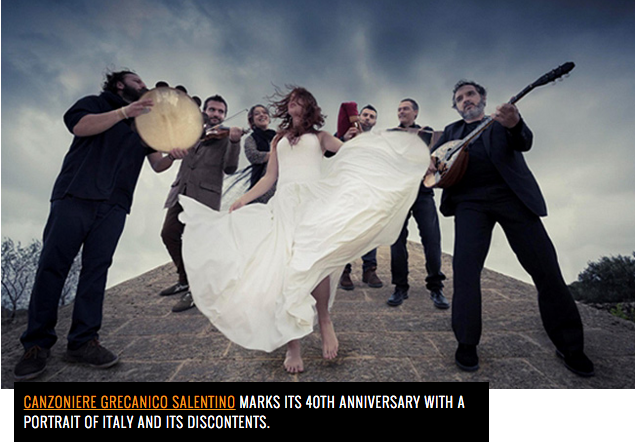
Rhythm and Protest
On the world music scene, there have been few success stories in recent years as gratifying – and unlikely – as Canzoniere Grecanico Salentino (aka CGS). The band, from the Salento peninsula of Italy’s southern Puglia region, has been building an international fan base with a rigorous touring schedule that has taken them far beyond their home base, through Europe, North America, and to Australia and New Zealand. Critics praise their electrifying shows and first-rate albums. A recent review in fRoots (Folk Roots) magazine captured the critical consensus: “Do they live up to all the hype they’ve received? Hell, yes! Are they one of the best bands in the world at the moment? Without a shred of doubt”.
The core of the CGS sound is the pizzica taranta, a powerfully rhythmic, trance-inducing folk style that originated centuries ago in Salento as a ritual healing music. Pizzica was played to cure the victims of tarantismo, a state of physical and emotional distress supposedly caused by the poisonous bite of a tarantula. While a small group, usually comprising violin, button accordion, and tambourines played and sang, the “bitten” danced themselves into a frenzy until they collapsed, purged of the spider’s poison. Tarantismo emerged among peasants, landless farm workers and manual laborers, with most victims of the spider’s bite being women, who lived under a stifling and sexually repressive patriarchy.
As the anthropologist Ernesto de Martino observed in his famous study, The Land of Remorse, tarantismo was a cultural response of marginalized people to a “crisis of presence”, a disorientating sense of lacking power – what we nowadays call “agency” – to cope with stressful psychological and social conditions. The religious-magical rituals oftarantismo gave sufferers catharsis, helping them heal (if only temporarily) feelings of loss and alienation brought on by the crisis of presence.
Tarantismo died out in Salento decades ago; what has survived is its music. In Italy during the ‘70s, young, left-wing musicians led a folk music revival that rediscovered – and championed – old and often disparaged idioms. In 1975, a leftist writer, Rina Durante, and her cousin Daniele, a singer and guitarist, launched a pizzica revival when they founded Canzoniere Grecanico Salentino. (The band’s name means Salentine Greek Songbook, referring to the ancient Greek roots of Salento’s folk music.) In 2007, Daniele turned over the leadership of CGS to his son Mauro, a virtuoso violinist and percussionist. The second-generation band has released the albums Focu d’amore (2010), Pizzica Indiavolata (2013), and now Quaranta, its title a nod to the band’s forty-year existence.
Justin Adams, a guitarist in Robert Plant’s Sensational Space Shifters, has worked with CGS members and other Salentine musicians. He observes that pizzica “is not as four-square as most European folk music. It’s got something of Africa in it”. By that, Adams means the emphasis on rhythm and repetition to induce trance states. Those elements are in place on Quaranta, but there’s a difference from past recordings – some tracks are more “folk music” than pizzica taranta. “Pu e to rodo t’orio” (Where is the beautiful rose?) has lyrics in Griko (an ancient Greek once widely spoken in Salento), but the music, by bouzouki player Emanuele Licci, sounds inspired by Appalachian folk. This likely has to do with producer Ian Brennan, who twice won Grammys for Best Traditional Folk albums, and, in 2012, a Best World Music Grammy for Tassili, by the Tuareg band Tinariwen.
If Brennan’s production leads the band in some new directions, Quaranta nonetheless has all the qualities that captivate CGS fans: drama and mystery, intense emotion and soulful melancholy. But this time there’s something else: anger, even rage. Italy’s folk music traditions include protest songs, and there are some great ones on Quaranta that take on environmental destruction, poverty and unemployment, and immigration (past and present). “No TAP”, written by Daniele Durante and sung by Emanuele Licci, with horns from the Albanian brass band Fanfara Tirana, sounds comic, even carnivalesque. But there’s no mistaking the band’s displeasure over the Trans Adriatic Pipeline (TAP), a massive project to transport natural gas from Azerbaijan to Europe. In Puglia, community activists, and both local and regional government, have opposed the TAP as bad for the environment and area economies, but the national government has ignored the protests. Durante’s lyrics personify the TAP as an arrogant deity of “the religion of gas”: “Debate topics / the sick and the elderly / what you do and what you say / I don’t give a fuck / because I’m the tap”.
“Solo Andata” (One-Way Ticket), with lyrics by the Neapolitan writer Erri De Luca (currently on trial in Italy for allegedly encouraging sabotage of the TAP), deplores the plight of today’s desperate migrants to Italy, making connections to the experience of the impoverished southern Italians who emigrated during the late nineteenth-early twentieth centuries. “Ziccate” (Hold On) shifts between two viewpoints: that of a grandson of farm workers who has gotten rich dumping toxic waste in the fields his forbears worked, and an opposite one – his guilty conscience? – that acknowledges, “What the ancients left us / without any shame we ruined”.
“I Love Italia” indicts contemporary Italy by contrasting romantic images with ugly reality: “You go for a walk / beauty till you swoon / you’re dreaming of Fellini / kissing at the fountain / just behind the scene / rubbish like a mountain”. “Italy’s a treasure”, the band sings, “but all of us are broke / Mona Lisa’s smiling / but we don’t get the joke”. The chorus couldn’t be more sardonic: “Spaghetti, pizza, mandolino – O mamma mia, I love Italia!”
Quaranta paints a dark portrait of today’s Italy (even the love songs are tinged with sorrow), and of the state of its people, native and immigrant, who are experiencing their own crises of presence. But it does so in vibrant, richly colored sound. CGS boasts three terrific lead vocalists – Giancarlo Paglialunga, Maria Mazzotta, and Emanuele Licci – who weave stunning polyphonic harmonies, with Mauro Durante often joining in. (Paglialunga also is a master percussionist.) Diatonic accordionist Massimiliano Morabito and multi-instrumentalist Giulio Bianco are invaluable assets, the first an exceptional soloist and accompanist, the latter a versatile colorist. With Quaranta, Canzoniere Grecanico Salentino, a band rooted in the past but thoroughly contemporary, has made an outstanding album that feels both of the moment and timeless.
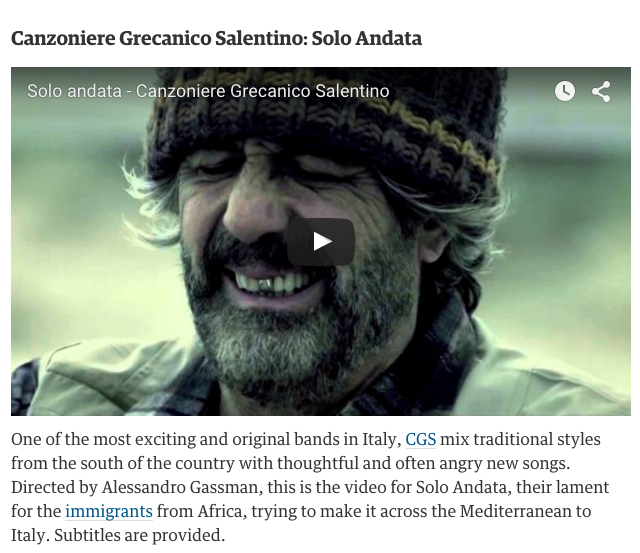
on The Guardian again! our song and videoclip Solo Andata featured on their playlist!
L’Internazionale: Mandolini autoavveranti
di Pier Andrea Canei
2. Canzoniere Grecanico-Salentino, Made in Italy
“Spaghetti, pizza, mandolino”, una tarantella zufolata, tamburelli e fiati popolari a manetta, il testo di Piers Faccini che gioca con i luoghi comuni, e la grande formazione salentina che gioca di fino. Così come altrove nell’imperdibile album Quaranta (che sono gli anni di attività) rende giustizia poetica ai boat people del Mediterraneo, s’attacca ai gasdotti, scava nelle ombre di un mondo chiuso e nei dì di festa se la suona e canta con Ludovico Einaudi e i fiati di Fanfara Tirana. Taranta immersiva, e magistrale musica popolare.